
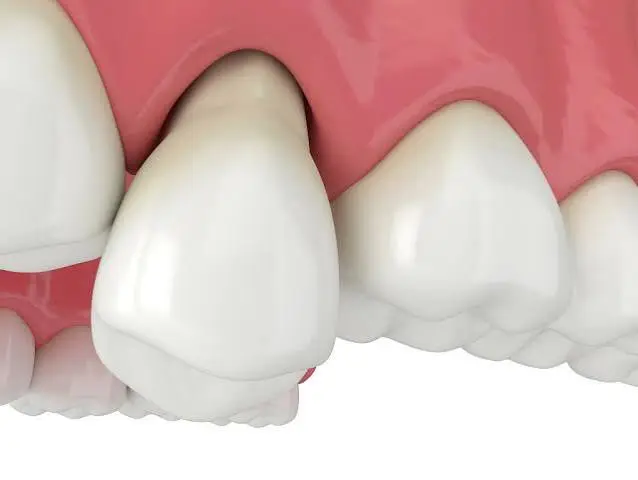
If you notice that one of your permanent teeth is moving, it can be worrying. You might immediately think that the tooth needs to be extracted.
But a loose adult tooth does not automatically mean that it is lost.
Tooth mobility can have several causes, including periodontal disease, excessive biting forces, bruxism, and trauma. The most important step is identifying why the tooth is moving and determining whether its supporting tissues can be managed successfully.
Some teeth can become more stable after appropriate treatment. Others may have lost too much supporting bone or have such a poor prognosis that extraction is the better option.
The decision should never be based on mobility alone.
Is It Normal for an Adult Tooth to Be Loose?
Unlike baby teeth, permanent teeth should not normally have noticeable mobility.
Teeth are supported by the periodontal ligament, which connects the tooth root to the surrounding bone. This ligament allows a small amount of natural movement under functional forces.
However, if you can clearly feel a tooth moving with your tongue or fingers, or notice that it moves when you bite, it deserves a dental examination.
The important question is not simply how much the tooth moves. It is why it is moving, how much support remains, and whether the underlying problem can be treated.
What Causes a Permanent Tooth to Become Loose?
Several conditions can cause tooth mobility. Sometimes more than one factor is involved.
1. Periodontal Disease and Bone Loss
One of the most common causes of tooth mobility in adults is periodontitis, an inflammatory disease that damages the tissues supporting the teeth.
Plaque accumulation can trigger gum inflammation. In susceptible patients, the disease can progress and destroy the periodontal attachment and surrounding bone.
As supporting bone is lost, the tooth may become increasingly mobile.
Signs that may accompany periodontal disease include:
- Bleeding gums
- Gum recession
- Persistent bad breath
- Deep periodontal pockets
- Changes in the position of teeth
- Increasing tooth mobility
However, periodontal disease can progress without obvious pain, which is why regular examinations are important.
The amount of remaining bone support, periodontal stage, degree of mobility, and ability to control the disease all influence whether the tooth can be saved.
2. Excessive Biting Forces and Bruxism
Bruxism involves clenching or grinding the teeth. Some patients also place excessive forces on particular teeth because of their bite or the way their teeth contact during movement.
When these forces exceed what the tooth and its supporting tissues can tolerate, mobility may develop or worsen.
A patient can have excessive forces even when there is relatively good bone support.
In these cases, treatment may involve evaluating the bite, adjusting specific contacts when clinically indicated, managing contributing habits, and using a night guard when appropriate.
The goal is to reduce damaging forces and allow the supporting tissues to respond.
Simply stabilizing a loose tooth without addressing excessive forces may not solve the underlying problem.
3. Dental Trauma
A tooth may become loose following an accident, a fall, a sports injury, or a direct impact.
Depending on the severity of the injury, the tooth may have a periodontal ligament injury, displacement, a root fracture, or damage to the surrounding bone.
A tooth that becomes loose suddenly after trauma needs prompt assessment. Treatment depends on the type and severity of the injury and may involve repositioning and temporary splinting.
Do not assume that a tooth is safe simply because it is not painful.
4. Infection and Other Dental Problems
Infections affecting the tissues around a tooth can sometimes contribute to mobility. Advanced periodontal infection, for example, may damage the supporting structures.
Other problems, including root fractures or certain lesions around the root, may also affect tooth stability.
This is why a proper diagnosis is essential before deciding on treatment.
How Does a Dentist Determine Whether a Loose Tooth Can Be Saved?
There is no single test that determines whether a mobile tooth should be extracted.
At Smile Avenue Dental Clinic, the assessment begins with a clinical examination and a review of the patient’s symptoms and dental history.
Clinical examination
The dentist evaluates the tooth, surrounding gums, restorations, and neighboring teeth.
Mobility testing
The degree of mobility is assessed and documented. Mobility grading helps describe the severity, but it does not independently determine the prognosis.
Periodontal examination
Gum health, periodontal pocket depths, attachment loss, bleeding, and other signs of periodontal disease are evaluated.
Dental X-rays
Radiographs help assess the remaining bone support, root condition, and potential problems around the tooth. Additional imaging may be indicated in selected cases.
Restorability and overall health
The dentist also considers whether the tooth can be restored, how much healthy tooth structure remains, and whether systemic factors such as diabetes may affect periodontal health and healing.
All these findings are considered together.
A tooth with mobility but adequate support and a treatable cause may have a reasonable prognosis. A tooth with severe bone loss, advanced mobility, and poor restorability may not.
Can a Loose Tooth Be Saved?
Yes, sometimes. The treatment depends on the cause and the remaining support.
The goal is not merely to make the tooth feel firm. It is to control the underlying disease or excessive forces and determine whether the tooth can remain functional over the long term.
When periodontal disease is the main cause
If the tooth has a reasonable prognosis and the supporting bone loss is not too advanced, treatment may involve:
- Professional periodontal treatment
- Improving daily plaque control
- Reducing gum inflammation
- Treating contributing periodontal factors
- Restoring damaged teeth when indicated
- Controlling excessive occlusal forces
- Splinting selected mobile teeth when appropriate
- Close follow-up and periodontal maintenance
The response to treatment must be monitored. A tooth that initially moves significantly may become more stable after inflammation is controlled, but this cannot be guaranteed.
In advanced periodontitis, particularly when mobility is severe and the remaining support is inadequate, extraction may be the more predictable option.
The decision must be individualized rather than based on the periodontal stage alone.
When excessive biting forces are responsible
If the tooth has relatively good supporting bone but is being overloaded, the treatment may focus on controlling those forces.
This can include:
- Evaluating and adjusting the bite when indicated
- Managing clenching and grinding
- Using a night guard when appropriate
- Monitoring mobility after treatment
- Splinting the affected tooth to neighboring teeth when clinically justified
Splinting can help stabilize selected teeth, but it does not cure periodontal disease or automatically restore lost bone.
The underlying cause still needs to be addressed.
What Is Tooth Splinting?
Tooth splinting involves connecting a mobile tooth to neighboring teeth to help stabilize it.
Depending on the case, a dentist may use a suitable splinting material or a mesh-reinforced technique.
Splinting can be helpful when mobility interferes with comfort or function, or when stabilization is appropriate as part of periodontal treatment.
However, it is not the right solution for every loose tooth.
Before splinting, the dentist needs to evaluate the tooth’s prognosis, the neighboring teeth, the bite, and the patient’s ability to maintain good oral hygiene around the splint.
A splint supports the tooth; it does not replace the need to treat the cause of the mobility.
Can a Loose Tooth Become Firm Again?
In some cases, yes.
When inflammation is controlled or excessive biting forces are reduced, tooth mobility can decrease. The tooth may become more comfortable and stable.
However, reduced mobility does not necessarily mean complete recovery of the supporting tissues.
If periodontal disease has destroyed bone and attachment, the lost support does not automatically return simply because the tooth feels firmer.
The long-term outcome depends on the original cause, the amount of damage, the response to treatment, and ongoing maintenance.
Regular reassessment is important even when the tooth feels better.
When Is Extraction Necessary?
Sometimes saving a tooth is not the most predictable or beneficial option.
Extraction may be considered when there is:
- Severe periodontal bone loss
- Advanced mobility with inadequate remaining support
- A tooth that cannot be restored predictably
- A root fracture or other structural problem with a poor prognosis
- Persistent disease despite appropriate treatment
- A combination of factors that makes long-term retention unlikely
For example, a severely mobile tooth affected by advanced periodontitis may have a poor prognosis even after treatment.
However, the decision should consider the complete clinical picture, not simply the fact that the tooth moves.
The aim is to preserve natural teeth whenever doing so is beneficial and predictable. But keeping a tooth at all costs is not always in the patient’s best interest.
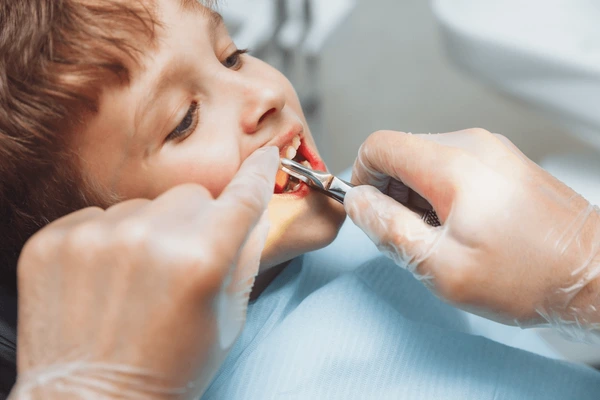
If the Tooth Cannot Be Saved, What Happens Next?
If extraction is necessary, the next step is to plan what happens afterward.
The best replacement option depends on the tooth’s position, the condition of neighboring teeth, bone and gum health, bite, esthetic requirements, and the patient’s overall treatment plan.
Possible options include:
Dental implant
An implant may replace a missing tooth when the bone, gums, and overall conditions are suitable. The timing of implant placement depends on the clinical situation and whether infection, bone loss, or other factors need to be addressed first.
Dental bridge
A bridge may be appropriate in selected cases, depending on the neighboring teeth, the available support, and the overall restorative plan.
Removable partial denture
A removable prosthesis can be suitable when several teeth are missing or when other treatment options are less appropriate.
No immediate replacement
Not every extracted tooth needs immediate replacement. The decision depends on its location, function, effect on the bite, and the consequences of leaving the space.
Whenever possible, these options should be considered before extraction, particularly when implant placement or complex rehabilitation is being planned.
The goal is to avoid treating extraction as an isolated procedure when it is actually part of a larger restorative plan.
What Should You Do If You Notice a Loose Tooth?
If a permanent tooth feels loose, arrange a dental examination rather than waiting to see whether it improves on its own.
Until you are assessed:
- Avoid biting hard foods with the affected tooth.
- Do not repeatedly wiggle the tooth with your fingers or tongue.
- Maintain gentle, careful oral hygiene.
- Avoid attempting to stabilize the tooth yourself.
- Seek prompt care if the mobility appeared suddenly or followed trauma.
If you experience significant pain, swelling, pus, fever, or a tooth that has been displaced after an injury, seek urgent dental assessment.
Early evaluation may help identify a treatable cause before additional damage occurs.
What Happens If You Ignore a Loose Tooth?
Ignoring tooth mobility can allow the underlying problem to continue.
If periodontal disease is responsible, further attachment and bone loss may occur. If excessive forces are contributing, continued loading may worsen the condition. If trauma or a fracture is involved, delaying assessment can complicate treatment.
Over time, a tooth that might initially have been manageable may develop a poorer prognosis.
The earlier the cause is identified, the more accurately the dentist can discuss the available options.
How Can You Prevent Tooth Mobility?
Prevention focuses on protecting the tissues supporting your teeth and identifying problems early.
- Brush twice daily with an appropriate technique.
- Clean between your teeth daily.
- Attend regular dental and periodontal examinations.
- Have professional periodontal treatment when indicated.
- Treat gum disease early rather than waiting for mobility to develop.
- Manage diabetes and other relevant health conditions with appropriate medical care.
- Address bruxism and excessive occlusal forces when necessary.
- Use a night guard if your dentist recommends one.
- Follow your individualized periodontal maintenance schedule.
If you already have periodontal disease, maintenance is particularly important. Even after successful treatment, the condition can recur or progress without appropriate ongoing care.
Frequently Asked Questions
Is a loose adult tooth always a sign of gum disease?
No. Periodontal disease is an important cause, but trauma, excessive biting forces, bruxism, and other dental problems can also cause mobility. A clinical examination and appropriate imaging help identify the cause.
Can a loose tooth tighten up naturally?
Sometimes mobility decreases after the underlying inflammation or excessive forces are managed. However, a noticeably loose permanent tooth should be evaluated rather than left untreated in the hope that it will stabilize.
Can a dentist save a tooth with bone loss?
Sometimes. The decision depends on the amount and pattern of bone loss, mobility, periodontal condition, restorability, and response to treatment. Severe bone loss may make saving the tooth unpredictable.
Does splinting cure a loose tooth?
No. Splinting connects a mobile tooth to neighboring teeth to improve stability in selected cases. It does not eliminate periodontal disease or automatically restore lost bone and attachment.
Should a loose tooth be extracted immediately?
Not necessarily. The dentist must first determine the cause and prognosis. Some teeth can be managed successfully, while others require extraction because the remaining support or tooth structure is inadequate.
If I need an extraction, should I get a dental implant?
Not automatically. An implant is one option, but a bridge, removable prosthesis, or no immediate replacement may be appropriate depending on the case. The decision should be based on the patient’s overall oral health and treatment plan.
Final Thoughts
A loose permanent tooth should never be ignored, but it should not automatically be considered hopeless either.
The right decision depends on the diagnosis, remaining bone support, degree of mobility, restorability, periodontal health, occlusion, and the patient’s overall health.
Sometimes treatment can reduce mobility and preserve the tooth. In other cases, extraction offers a more predictable outcome.
As a prosthodontist, my approach is to evaluate the entire situation, preserve a natural tooth when it has a reasonable long-term prognosis, and plan the next step carefully when it cannot be saved.
The goal isn’t simply to keep a tooth or remove it. It’s to choose the treatment that offers the best long-term outcome for the patient.
If you have noticed that one of your teeth is moving, arrange an examination to find out why before deciding what treatment you need.
At Smile Avenue Dental Clinic in Beirut, treatment planning begins with diagnosis, followed by a personalized approach based on your clinical needs.