
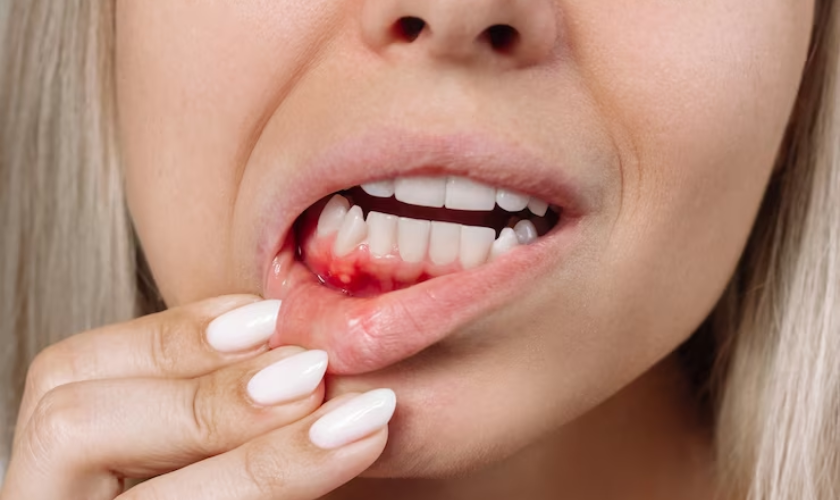
If you notice blood when you brush or floss, you may be tempted to think that you are simply brushing too hard.
Sometimes that can be the reason.
But in many cases, bleeding gums are a sign of inflammation.
The most common cause I see is inadequate oral hygiene, which allows plaque to accumulate around the teeth. Over time, plaque can harden into tartar, increasing irritation and inflammation of the gums.
Other factors can also contribute, including aggressive brushing, hormonal changes during pregnancy, and poorly fitting dental restorations.
The important thing to remember is:
Healthy gums should not regularly bleed.
If your gums bleed every time you brush, it is worth understanding why.
Why Do Gums Bleed?
There are several possible causes of bleeding gums.
The most common include:
- Plaque buildup
- Tartar/calculus buildup
- Gingivitis
- Periodontitis
- Aggressive brushing
- Poor brushing technique
- Hormonal changes during pregnancy
- Poorly fitting restorations
- Areas that are difficult to clean
Let’s look at the most common causes.
1. Plaque Buildup and Poor Oral Hygiene
This is one of the most common reasons gums bleed.
Plaque is a sticky bacterial film that continuously forms on the teeth.
If it isn’t removed properly through regular brushing and interdental cleaning, it can accumulate around the gumline.
The gums become irritated and inflamed.
This condition is commonly known as gingivitis.
One of the earliest signs can be bleeding when brushing or flossing.
This is why bleeding shouldn’t simply be considered normal.
It can be a sign that the gums are telling you:
Something needs to change.
2. Tartar Can Make Gum Inflammation Worse
If plaque remains on the teeth for long enough, it can absorb minerals from saliva and harden into tartar, also called calculus.
Tartar is a hard material that adheres to the tooth surface.
Unlike soft plaque, it cannot simply be brushed away at home.
It requires professional dental instruments to remove it effectively.
Once the tartar has been removed, the next step is just as important: preventing it from accumulating again.
This means improving brushing technique, using a soft toothbrush, and cleaning between the teeth regularly.
Professional cleaning removes the buildup, but your daily hygiene prevents it from coming back quickly.
3. Brushing Too Hard Can Also Cause Bleeding
Not every case of bleeding gums is caused by insufficient brushing.
Some patients brush very aggressively because they believe that harder brushing means cleaner teeth.
It doesn’t.
Using excessive force can irritate the gums and, over time, contribute to gum recession and damage around the teeth.
A soft toothbrush and the correct brushing technique are generally more important than how much force you use.
The goal is to clean the teeth and gumline effectively without traumatizing the gums.
Should I Stop Brushing If My Gums Bleed?
No.
This is one of the most common mistakes I see.
Some patients notice blood when brushing and decide to stop brushing that area because they are afraid they are causing damage.
But if the bleeding is caused by inflammation from plaque, stopping brushing allows even more plaque to accumulate.
That can make the inflammation worse.
Instead, continue brushing gently with a soft toothbrush and improve your technique.
The goal is not to avoid the bleeding area.
The goal is to remove the plaque that is contributing to the inflammation.
The same principle applies to cleaning between the teeth. Some initial bleeding can occur when the gums are inflamed, but consistent and gentle interdental cleaning is important for improving gum health.
Gingivitis vs Periodontitis: What’s the Difference?
Not every patient with bleeding gums has periodontitis.
Gingivitis
Gingivitis is inflammation of the gums, commonly associated with plaque accumulation.
At this stage, the problem is primarily inflammation of the gum tissues and can often be improved significantly by controlling plaque and improving oral hygiene.
Periodontitis
Periodontitis is more advanced.
The inflammation can affect the tissues and bone supporting the teeth, resulting in periodontal attachment changes, gum recession, and bone loss.
This is why we cannot determine the severity of gum disease simply by looking at whether the gums bleed.
We need to evaluate the supporting tissues.
How Do We Know If Bleeding Gums Are a Sign of Periodontitis?
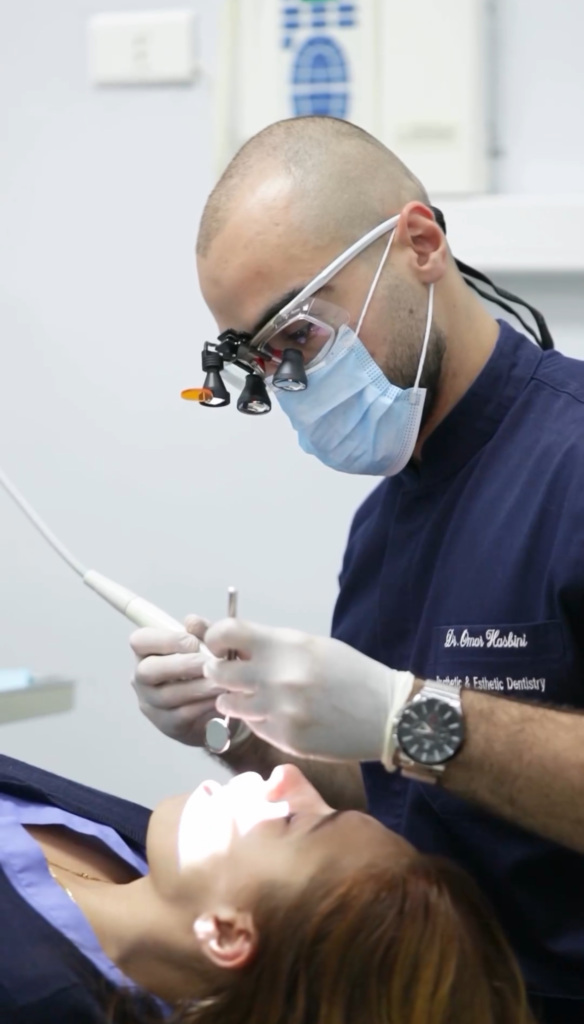
If I suspect that a patient has progressed beyond simple gingivitis, I will evaluate the periodontal tissues more carefully.
This can include:
- Periodontal probing
- Measuring pocket depths
- Checking for gum recession
- Assessing tooth mobility
- Evaluating bleeding on probing
- Checking bone levels on dental radiographs
Deep periodontal pockets and bone loss are important findings.
If there is significant bone loss or persistent periodontal inflammation, the patient may need a more comprehensive periodontal treatment plan rather than simply a routine cleaning.
Pregnancy Can Make Gums Bleed More Easily
Pregnancy can affect the gums because hormonal changes can make the gum tissues more reactive to plaque.
This means that even relatively small amounts of plaque can sometimes cause more inflammation and bleeding than usual.
This makes excellent oral hygiene particularly important during pregnancy.
Pregnant patients should not assume that bleeding gums are simply something they have to accept.
Regular dental care can be maintained during pregnancy, and professional cleaning can be performed when appropriate. For routine care, the second trimester—approximately the 4th to 6th month—is often a convenient period for a cleaning.
If there is pain, infection, swelling, or another urgent dental problem, however, necessary dental care should not simply be postponed because of pregnancy.
Can a Bad Filling or Crown Cause Bleeding Gums?
Yes.
A poorly fitting restoration can make it much more difficult to keep an area clean.
For example, an overhanging filling or an improperly contoured restoration can trap plaque around the gumline.
This can lead to localized inflammation and bleeding.
In these situations, simply telling the patient to brush better may not solve the problem.
If the restoration itself is contributing to plaque accumulation, it may need to be corrected or replaced.
Even excellent oral hygiene has limitations if the restoration is creating a persistent problem.
What Is the Treatment for Bleeding Gums?
Treatment depends on the cause.
For mild inflammation caused by plaque buildup, treatment may include:
- Professional cleaning
- Improving brushing technique
- Using a soft toothbrush
- Daily flossing or interdental cleaning
- Improving overall oral hygiene
If significant tartar is present, professional removal is necessary because hardened calculus cannot simply be removed with a toothbrush.
If periodontal disease is present, treatment needs to go further.
The treatment plan may involve periodontal cleaning, deeper periodontal treatment, closer monitoring, and addressing the factors contributing to the disease.
If a restoration is contributing to inflammation, it may need to be adjusted or replaced.
And if aggressive brushing is the problem, changing the brushing technique is essential.
The treatment should address the cause, not just the bleeding.
How Can I Stop My Gums From Bleeding?
The most important thing is consistency.
A good daily routine generally includes:
Brush twice a day
Use a soft toothbrush and focus on cleaning the gumline gently and thoroughly.
Improve your brushing technique
More force does not mean better cleaning.
Clean between your teeth
Floss or use an appropriate interdental cleaning method every day.
Have professional cleanings when needed
The frequency depends on how quickly you accumulate plaque and tartar and on your individual periodontal risk.
Have regular dental examinations
Your dentist can detect inflammation, gum recession, periodontal pockets, defective restorations, and bone loss before the problem becomes more advanced.
There isn’t one cleaning schedule that is perfect for every patient.
Your maintenance interval should be individualized.
When Should I See a Dentist About Bleeding Gums?
You should have your gums evaluated if:
- They bleed regularly when brushing
- The bleeding is getting worse
- Your gums are swollen or red
- You notice persistent bad breath
- Your gums are receding
- Your teeth feel loose
- You notice pus or a gum abscess
- You have deep areas around the teeth that are difficult to clean
- Bleeding continues despite improving your oral hygiene
- You have a restoration that seems to trap food or irritate the gums
Persistent bleeding shouldn’t simply be accepted as normal.
It is worth finding out what is causing it.
Can Bleeding Gums Be Reversed?
In many cases, early gum inflammation can improve significantly when the cause is addressed.
Improving oral hygiene, removing plaque and tartar, correcting brushing technique, and maintaining professional care can allow inflamed gums to become healthier.
However, once periodontal disease has caused significant bone loss, the situation is more complex.
That is why early diagnosis matters.
The sooner we identify periodontal problems, the more effectively we can work to control them and protect the supporting tissues around the teeth.
Frequently Asked Questions
Is it normal for my gums to bleed when I brush?
Regular bleeding is not considered a sign of healthy gums. It is often associated with inflammation caused by plaque, although aggressive brushing and other factors can also contribute.
Should I stop brushing if my gums bleed?
No. Stopping can allow more plaque to accumulate and worsen inflammation. Continue brushing gently with a soft toothbrush while addressing the underlying cause.
Can tartar cause bleeding gums?
Yes. Tartar is hardened mineralized plaque that can contribute to gum inflammation. Because it cannot be removed effectively with normal brushing, professional cleaning is required.
Can pregnancy cause bleeding gums?
Yes. Hormonal changes during pregnancy can make the gums more reactive to plaque and more prone to inflammation and bleeding. Good oral hygiene and appropriate dental care are especially important during pregnancy.
How do I know if I have gingivitis or periodontitis?
Gingivitis primarily involves gum inflammation. Periodontitis involves damage to the supporting tissues, which can include periodontal attachment changes, recession, and bone loss. Probing and dental radiographs can help assess the condition.
Can a bad filling cause my gums to bleed?
Yes. Poorly fitting or overhanging restorations can trap plaque and make the area difficult to clean, leading to localized gum inflammation.
How long does it take for bleeding gums to improve?
It depends on the cause and severity. Mild inflammation can improve after professional cleaning and improved oral hygiene, while periodontal disease may require more comprehensive treatment.
How often should I get my teeth professionally cleaned?
There is no single interval that is right for everyone. It depends on your plaque and tartar buildup, periodontal health, oral hygiene, and individual risk factors.
Final Thoughts
Bleeding gums are common, but they shouldn’t become something you simply learn to live with.
In many cases, the cause is straightforward: plaque buildup, tartar, and inflammation caused by inadequate oral hygiene.
In other cases, aggressive brushing, pregnancy-related hormonal changes, or a poorly fitting restoration may be contributing.
And sometimes, bleeding can be a sign of something more advanced, such as periodontal disease.
The important thing is to identify the cause.
If your gums bleed, don’t stop taking care of them. Take better care of them—and find out why they’re bleeding.
Healthy gums are not about brushing harder.
They’re about brushing correctly, cleaning consistently, and addressing problems early.