
A gap between teeth—especially in the front—can make many people feel self-conscious when they smile.
The good news is that today, closing a dental gap is simpler, faster, and more natural-looking than ever.
If you’re in Beirut and looking for a long-term aesthetic solution, this guide will walk you through the best options and what results you can realistically expect.
What Is a Gap Between Teeth?
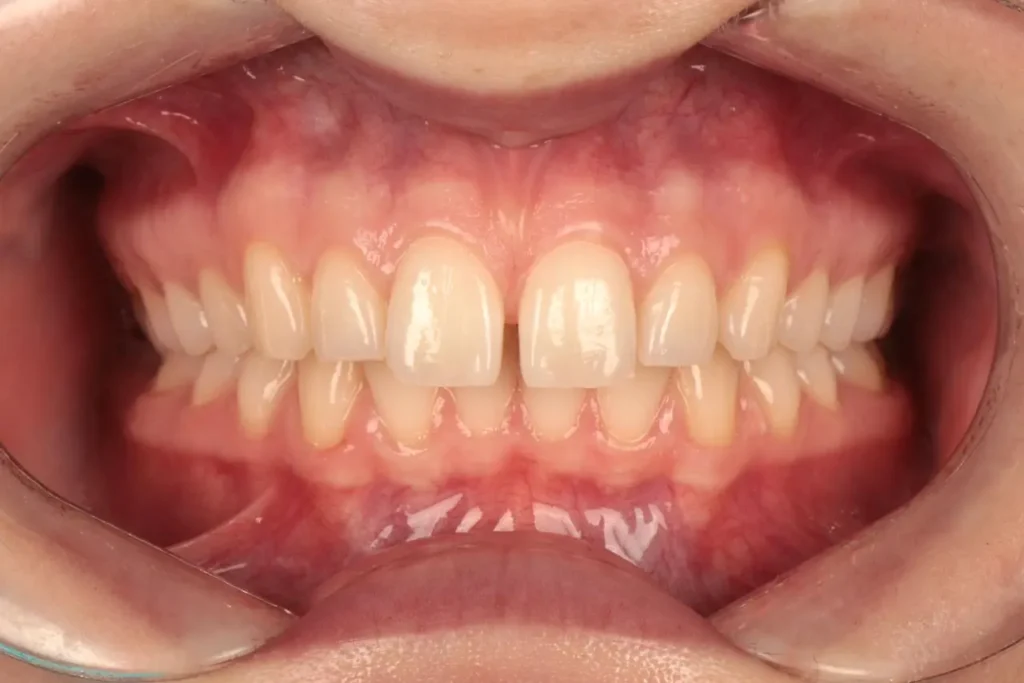
A gap between teeth (also called a diastema) is a space that can appear between any teeth, but it is most noticeable between the front teeth.
For most patients, the issue is not functional—it’s esthetic.
Many people feel their smile looks incomplete or unbalanced.
How Can You Fix a Gap Between Teeth in Beirut?
There are several treatment options available, and the right one depends on your specific case.
1. Composite Bonding (Most Popular Option)
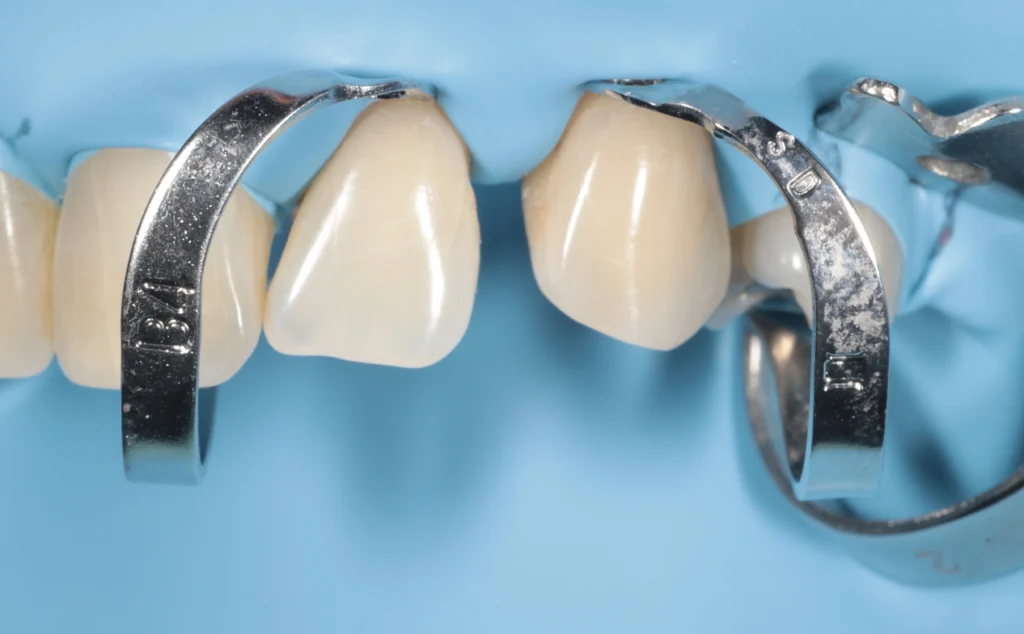
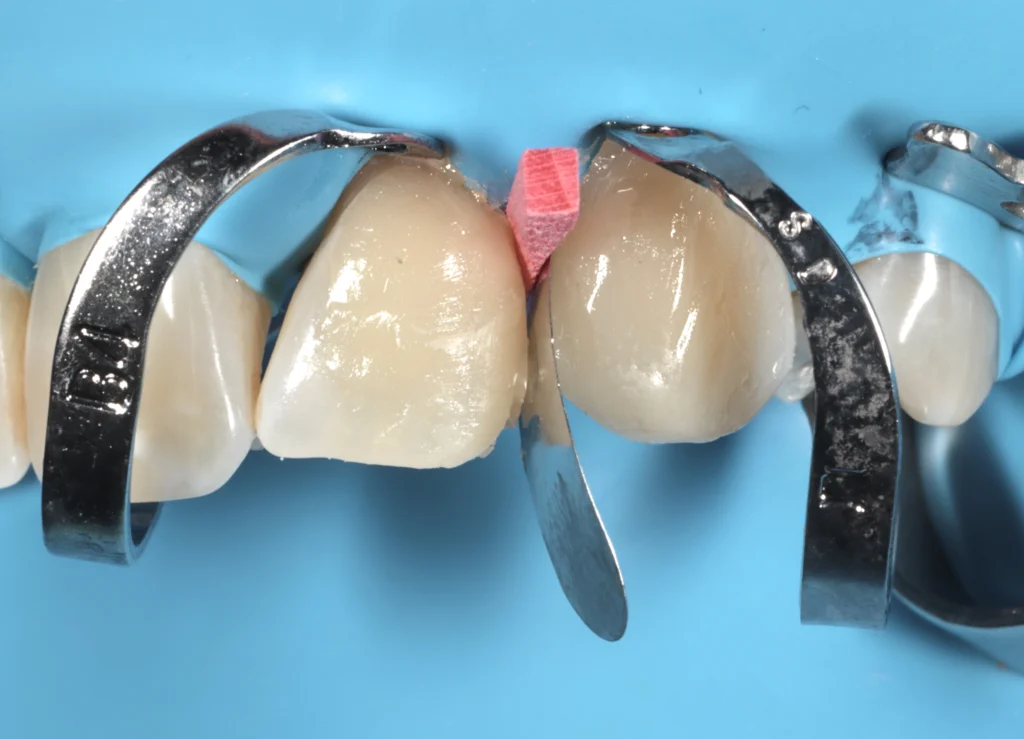
Composite bonding is often the best solution for small to medium gaps, especially if you’re looking for a fast and natural result.
Why patients choose it:
- Done in one session
- No drilling of natural teeth
- Completely natural appearance
- Can be adjusted or removed if needed
At Smile Avenue, the focus is not just closing the gap—but doing it in a way that looks completely natural.
This is achieved through:
- Careful planning and smile design before starting
- Full rubber dam isolation for precision
- Use of magnification for detailed work
- Advanced composite layering techniques to match your natural tooth color
- High-end polishing for long-term aesthetics
👉 The goal is simple:
No one should notice that anything was added.
2. Veneers
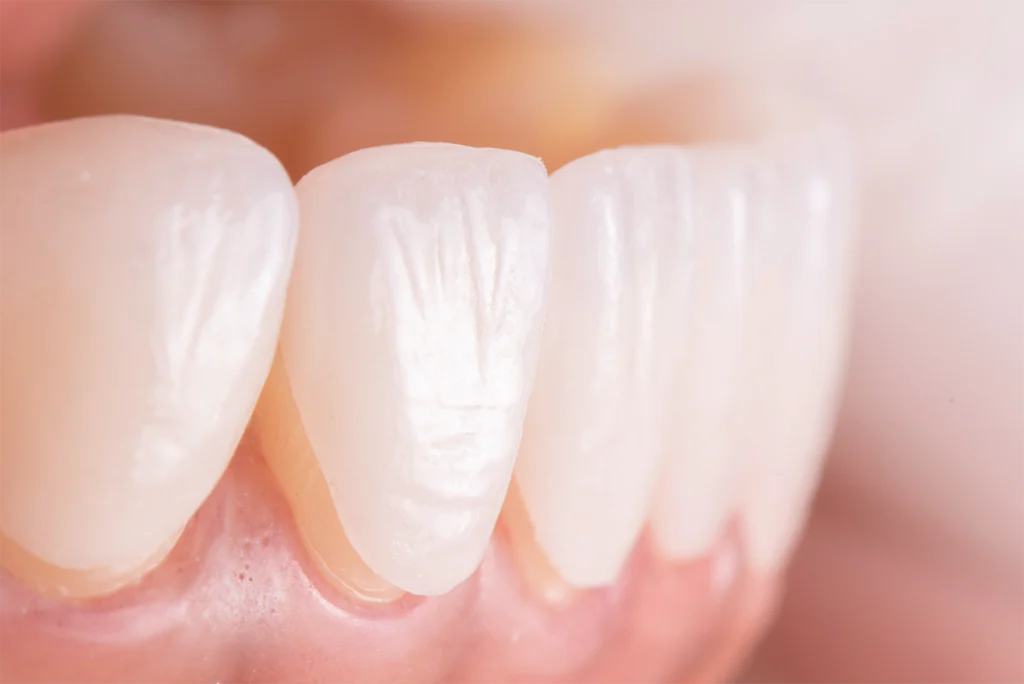
Veneers are thin ceramic shells used to reshape teeth and close gaps.
They are ideal for:
- Larger gaps
- Patients seeking a full smile makeover
- Cases where color and shape need correction as well
3. Clear Aligners or Orthodontics
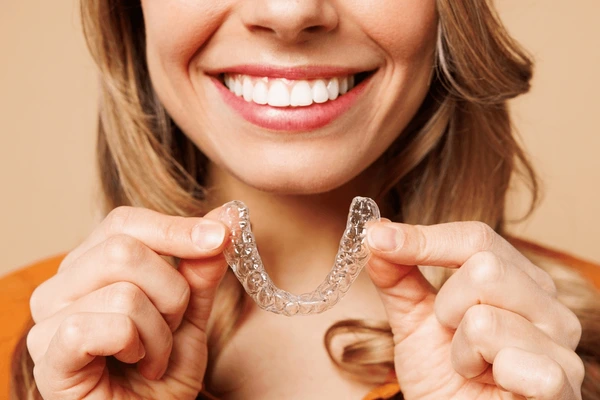
Orthodontic treatment moves the teeth into the correct position over time.
Best for:
- Multiple gaps
- Bite issues
- Patients who prefer a more conservative tooth movement approach
What Is the Best Option for You?
For many adults in Beirut who want:
- A fast result
- A natural look
- A long-term solution
👉 Composite bonding is often the ideal choice, especially for small to medium gaps.
However, the final decision depends on:
- The size of the gap
- Your bite
- Tooth proportions
- Your expectations
Real Case: Closing a Gap in One Session
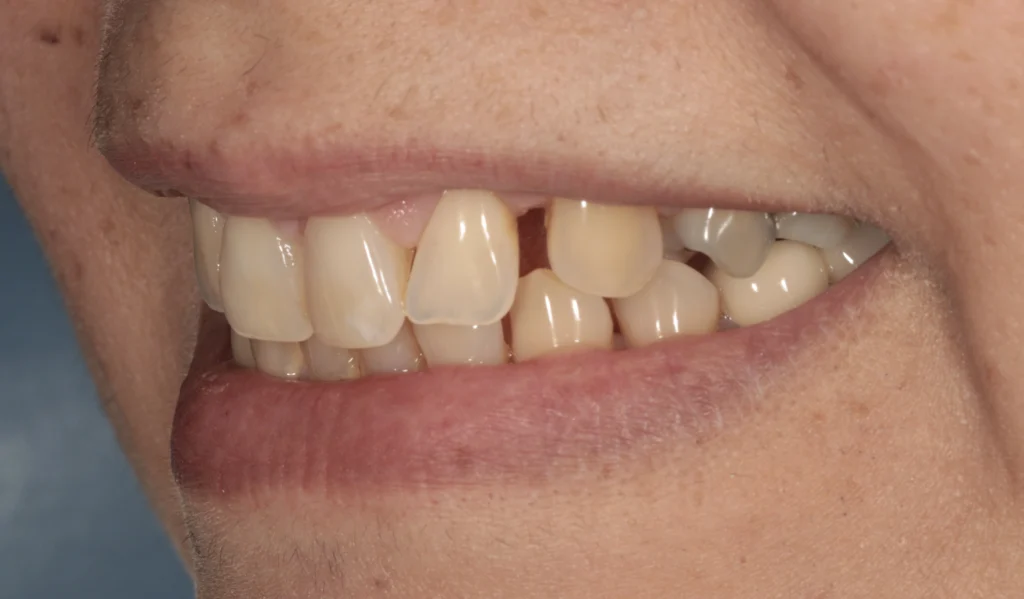
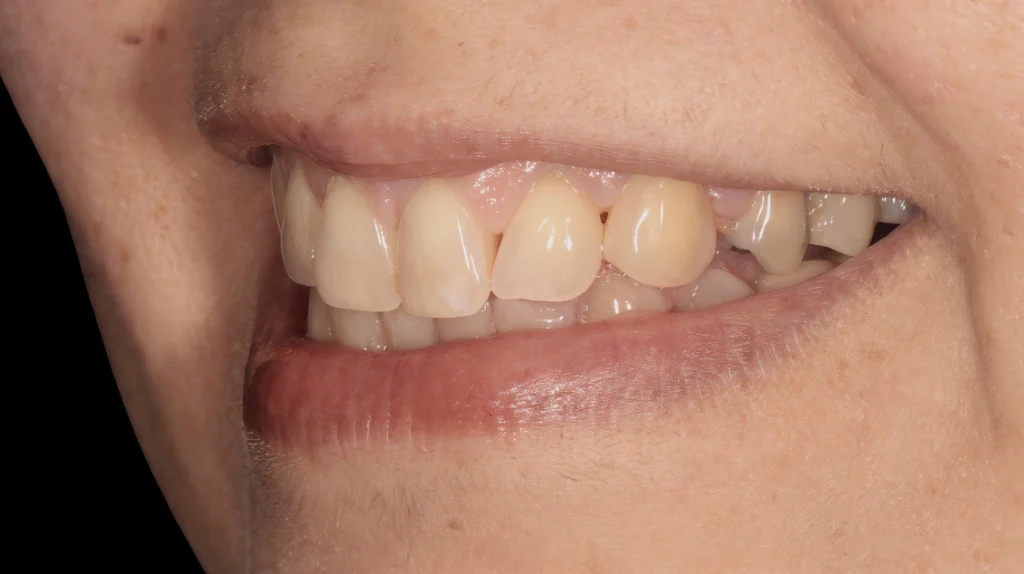
One patient came in with a gap between the lateral incisor and canine.
She avoided smiling because she felt her teeth looked unbalanced.
Using composite bonding, the gap was closed in a single session.
The result:
- A natural, symmetrical smile
- No visible signs of treatment
- Immediate boost in confidence
👉 The most important part wasn’t just closing the gap—it was making it look like it was never there.
Will It Look Natural or Fake?
This is the most common concern.
When done correctly, composite bonding should look completely natural.
The key is not just filling the space—but:
- Respecting tooth proportions and symmetry
- Designing the correct contact point
- Creating a proper emergence profile for healthy gum integration
When these principles are ignored, results can look bulky or artificial.
When done properly, even you might forget which tooth was treated.
When Is Composite Bonding NOT the Right Option?
Composite bonding is not suitable for every case.
It may not be recommended if:
- The gap is very large
- There are bite issues that would cause the material to break
- Multiple alignment problems are present
In these cases, orthodontics or veneers may be more appropriate.
How Long Does It Last?
Composite bonding can last around 10 years or more, depending on care.
To maintain results:
- Regular check-ups and polishing sessions are recommended
- Good oral hygiene is essential
With proper maintenance, results can remain stable and aesthetic for many years.
What to Expect After the Procedure
After composite bonding:
- You can eat normally
- There is typically no sensitivity
- Avoid biting very hard objects directly on the bonded teeth
Over time:
- Coffee and smoking may cause slight staining
- A simple polishing session can restore the original shine
Who Is the Ideal Candidate?
Composite bonding is best for:
- Small to medium gaps
- Patients with good oral hygiene
- Those looking for a fast, minimally invasive solution
- Patients not planning orthodontic treatment
Why Technique Matters More Than You Think
Closing a gap is not just about “adding material.”
It requires:
- Precision
- Artistic judgment
- Understanding of gum and tooth harmony
Poor technique can lead to:
- Unnatural shapes
- Visible restorations
- Staining over time
- Gum irritation
A well-executed case should be undetectable.
Book a Consultation
If you’re considering closing a gap between your teeth, the best first step is a proper evaluation.
At Smile Avenue, the focus is on natural-looking results tailored to your smile.
👉 Book a consultation to explore the best option for your case.