How Can I Prevent Cavities?
Cavities remain one of the most common health problems worldwide.
The good news?
👉 Most cavities are preventable.
Many people believe that avoiding cavities is simply a matter of brushing their teeth twice a day. While brushing is important, preventing tooth decay requires a combination of proper hygiene, diet, preventive treatments, and regular dental follow-up.
At Smile Avenue Dental Clinic in Beirut, our philosophy is simple:
Prevention is always better, less expensive, and more conservative than treatment.
The Most Important Ways to Prevent Cavities
1. Brush Correctly Every Day
Brushing is the foundation of cavity prevention.
However, technique matters more than force.
Many patients brush aggressively but fail to clean all tooth surfaces properly.
Focus on:
- Cleaning every surface of every tooth
- Reaching the back teeth
- Maintaining a consistent routine
👉 Brushing harder does not mean brushing better.
2. Use Fluoride Toothpaste
Fluoride helps strengthen enamel and makes teeth more resistant to acid attacks.
It remains one of the most effective cavity prevention tools available.
Is Fluoride Safe?
Yes.
When used correctly, fluoride toothpaste is safe and highly beneficial.
The only recommendation is:
👉 Do not swallow it.
3. Floss Every Day
Many cavities develop between teeth where toothbrush bristles cannot reach.
Flossing is essential for cleaning these areas.
Can a Water Flosser Replace Traditional Floss?
In many cases, a water flosser can be an excellent alternative for patients who struggle with conventional floss.
The important thing is cleaning between the teeth daily.
4. Reduce Frequent Sugar Exposure
The problem is often not the amount of sugar.
It is the frequency.
Eating sugary foods or drinking sweet beverages multiple times throughout the day constantly exposes teeth to acid attacks.
Reducing snacking frequency can significantly lower cavity risk.
5. Chew Xylitol Gum
Xylitol gum may help:
- Stimulate saliva
- Reduce cavity-causing bacteria
- Support a healthier oral environment
It can be a useful addition to a preventive routine.
Professional Cavity Prevention Treatments in Beirut
Some patients benefit from professional preventive treatments beyond home care.
Dental Sealants
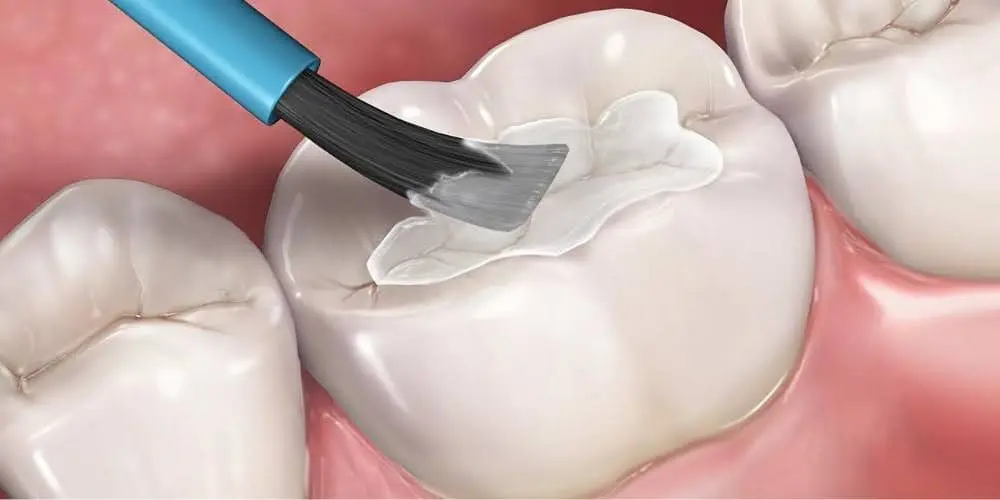
Sealants protect deep grooves where toothbrushes often cannot reach.
They are especially useful for:
- Children
- Teenagers
- Deep fissured molars
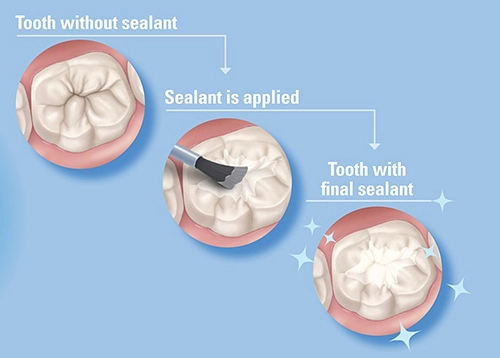
Cost (2026)
- 30$ per tooth
Fluoride Varnish
Fluoride varnish strengthens enamel and helps prevent decay.
Particularly beneficial for children and high-risk patients.
Cost (2026)
- 50$ per session
At Smile Avenue, annual fluoride varnish applications are often recommended for children.
MI Paste Remineralization Therapy
MI Paste helps restore minerals to early lesions before they become cavities.
Cost (2026)
- 80$
- Includes:
- Professional application
- Home-use tube
Preventive Resin Restoration (PRR)
PRR allows us to treat very early decay conservatively before it progresses.
Cost (2026)
- 40$ per tooth
Why Do Some People Keep Getting Cavities Despite Brushing?
Many patients ask:
“Why do I keep getting cavities even though I brush every day?”
Several factors may contribute:
- Poor brushing technique
- Frequent sugar consumption
- Lack of flossing
- Deep grooves not protected by sealants
- Mouth breathing
- Dry mouth
- Genetic factors
Cavity risk is rarely determined by a single factor.
Early Signs of Tooth Decay
The earlier decay is detected, the easier it is to stop.
Watch for:
- Dark grooves on back teeth
- White spots
- Brown spots
- Yellow spots
- Sensitivity to sweets
- Rough tooth surfaces
These signs should prompt a dental evaluation.
Who Is Most at Risk for Cavities?
Certain groups require additional prevention.
Children
Children’s teeth are generally less mineralized and more susceptible to decay.
Patients with Dry Mouth
Saliva plays a major protective role against cavities.
Mouth Breathers
Reduced oral moisture increases cavity risk.
Patients with High Sugar Consumption
Frequent exposure to sugars feeds cavity-causing bacteria.
Patients with GERD
Acid exposure can demineralize tooth surfaces.
What Should You Do If Early Decay Is Detected?
At Smile Avenue, we follow a conservative step-by-step approach.
Step 1
Improve oral hygiene and brushing technique.
Step 2
Use higher-concentration fluoride products when indicated.
Step 3
Apply fluoride varnish when appropriate.
Step 4
Use MI Paste remineralization for early lesions.
Step 5
Protect vulnerable grooves with sealants.
Step 6
Use PRR for very early decay before a conventional filling becomes necessary.
Biggest Mistakes People Make
Ignoring Flossing
Many cavities start between teeth.
Brushing Harder Instead of Better
Aggressive brushing does not improve cleaning.
Missing the Back Teeth
Posterior teeth are often the most cavity-prone.
What Makes Smile Avenue Different?
At Smile Avenue Dental Clinic, prevention comes first.
We use:
✔️ Advanced diagnostic tools
✔️ Modern lesion detection techniques
✔️ Clinical photography for documentation
✔️ Conservative treatment protocols
✔️ Long-term follow-up programs
✔️ Personalized prevention plans
Every patient receives a customized approach based on their specific risk factors.
If You Keep Getting Cavities Every Year
Don’t be discouraged.
Sometimes patients develop cavities despite good oral hygiene.
Factors such as:
- Genetics
- Saliva composition
- Tooth anatomy
- Mouth breathing
can all increase risk.
The important thing is to continue protecting your teeth and preventing more serious problems in the future.
FAQ – Cavity Prevention
Is fluoride safe?
Yes. Fluoride is safe and effective when used properly. Avoid swallowing toothpaste.
Are electric toothbrushes better?
They can help, but they are not mandatory. Proper technique is more important.
Is floss really necessary?
Yes. Cleaning between teeth is essential. Water flossers can be a useful alternative.
How often should I visit the dentist?
Ideally every 6 months, and at least once per year.
Can cavities run in families?
Yes. Genetics can influence cavity risk through saliva characteristics and tooth anatomy.
Final Thoughts
Preventing cavities is much easier than treating them.
With:
✔️ Proper brushing
✔️ Fluoride use
✔️ Daily flossing
✔️ Smart dietary habits
✔️ Professional preventive treatments
most cavities can be avoided.
At Smile Avenue Dental Clinic in Beirut, our goal is to identify risks early and help patients preserve their natural teeth for life.