

Do you brush your teeth every day but still notice unpleasant breath? Do you find yourself reaching for mouthwash, chewing gum, or mints before speaking to someone?
Persistent bad breath, also known as halitosis, can be frustrating and sometimes embarrassing. Many people assume it means they aren’t brushing well enough, while others believe the problem must be coming from their stomach.
But bad breath is not always caused by poor brushing, and covering the odor does not necessarily solve the problem.
The cause may be plaque accumulation, a coated tongue, gum disease, cavities, food trapped between teeth, dry mouth, acid reflux, or another condition.
At Smile Avenue Dental Clinic in Beirut, the approach is to identify the source first and then choose the appropriate treatment.
The goal isn’t simply to make your breath smell better temporarily. It’s to understand why the problem is happening and address it properly.
What Causes Bad Breath Even When You Brush Every Day?
Brushing is essential for oral health, but it doesn’t clean every surface of the mouth equally. It may also fail to address conditions that require professional treatment.
Here are some of the most common causes of persistent bad breath.
1. Plaque Accumulation and Poor Oral Hygiene
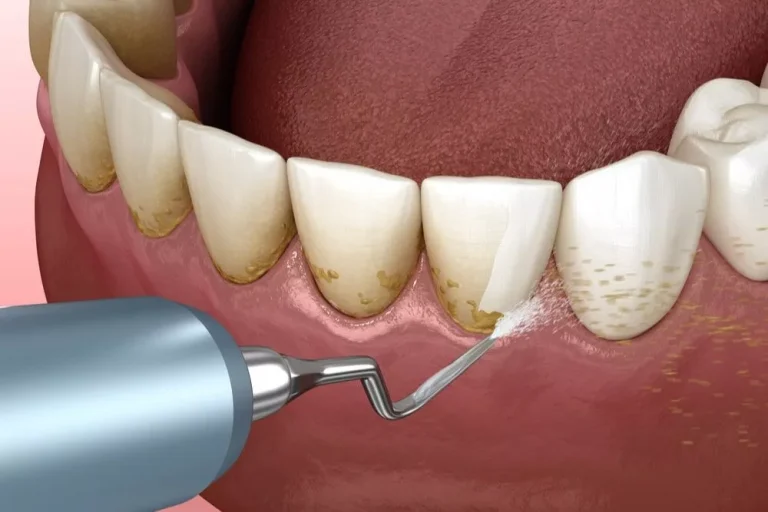
Plaque is a sticky film of bacteria that continuously forms on teeth.
When plaque accumulates, bacteria break down food debris and proteins, producing substances that can create unpleasant odors.
Even people who brush daily may miss certain areas, particularly between teeth, around the gumline, and behind the last molars.
If plaque remains undisturbed, it can harden into tartar, which cannot be removed effectively with a toothbrush.
What helps?
- Brush twice daily using the correct technique.
- Clean between your teeth every day with floss or suitable interdental cleaners.
- Attend professional dental cleanings when indicated.
- Have your oral hygiene technique assessed if plaque continues to accumulate.
Improving daily hygiene is important, but persistent odor may require further investigation.
2. A Coated Tongue
The tongue is one of the most commonly overlooked sources of bad breath.
Its surface contains small structures and grooves where bacteria, dead cells, and food debris can accumulate. This can create a white or yellow coating and contribute to unpleasant odors.
During a dental examination, the tongue’s color, coating, moisture, and texture can provide useful clinical information.
However, tongue appearance alone cannot diagnose a stomach problem or another systemic condition.
What helps?
- Gently clean your tongue using a tongue scraper or toothbrush.
- Avoid aggressive scraping that irritates the surface.
- Maintain adequate hydration.
- Seek an examination if unusual changes in color or texture persist.
For many patients, adding tongue cleaning to their daily routine can make a meaningful difference.
3. Gingivitis and Periodontitis
Inflamed gums can be an important source of persistent bad breath.
Gingivitis occurs when plaque causes inflammation of the gums. Symptoms can include redness, swelling, and bleeding during brushing.
If periodontal disease progresses, it can damage the tissues and bone supporting the teeth. Deeper periodontal pockets can make plaque control more difficult and allow odor-producing bacteria to accumulate.
Warning signs include:
- Bleeding gums
- Red or swollen gums
- Persistent bad breath
- Gum recession
- Food collecting around the teeth
- In advanced cases, tooth mobility
If gum disease is responsible, mouthwash alone will not solve the problem.
Treatment may involve professional cleaning, periodontal treatment when needed, improved home hygiene, and individualized maintenance.
Healthy gums are an important part of maintaining fresh breath.
4. Cavities and Food Trapped Between Teeth
Cavities can retain food debris and bacteria, especially when the damaged area is difficult to clean.
Food trapped between teeth can also contribute to unpleasant odors, particularly when the area is repeatedly neglected or when an open contact or defective restoration allows food to become impacted.
During an examination, the dentist checks for cavities, defective restorations, food impaction, and other areas where debris may accumulate.
Treatment depends on the cause. It may involve restoring a decayed tooth, correcting a problematic restoration, or addressing the space where food repeatedly becomes trapped.
If food regularly gets stuck in the same place, don’t simply keep removing it. Find out why it’s happening.
5. Dry Mouth
Saliva plays an important role in oral health. It helps wash away food debris, neutralize acids, and maintain the balance of the oral environment.
When saliva production decreases, bacteria and debris may accumulate more easily, increasing the risk of bad breath.
Dry mouth can be associated with:
- Inadequate fluid intake
- Certain medications
- Mouth breathing
- Some medical conditions
- Reduced salivary gland function
What helps?
The first step is to identify why your mouth is dry.
Depending on the cause, management may include improving hydration, reviewing medications with the prescribing physician, using saliva substitutes, or considering appropriate salivary stimulation treatments.
Certain medications can stimulate saliva production, but they are not suitable for everyone and require professional assessment.
Chewing sugar-free gum may also help stimulate saliva in some patients.
If you have persistent dry mouth, don’t ignore it. It can increase the risk of cavities and other oral health problems in addition to contributing to bad breath.
6. Acid Reflux and Dental Erosion
Acid reflux occurs when stomach contents flow back into the esophagus and sometimes reach the mouth.
Some patients with reflux develop dental erosion, which is the progressive loss of tooth structure caused by acid exposure.
During an examination, a dentist may identify erosion patterns that raise suspicion of repeated acid exposure. However, dental erosion can have other causes, and it does not independently confirm acid reflux.
If reflux is suspected, the patient may benefit from medical evaluation.
Lifestyle measures may also help, depending on the individual’s symptoms:
- Avoid eating immediately before going to bed.
- Allow time between your last meal and lying down.
- Identify and reduce foods that trigger your symptoms.
- Consider reducing very fatty meals if they worsen reflux.
- Follow your physician’s recommendations.
If acid reflux is contributing to your symptoms, treating only the teeth or using mouthwash will not address the underlying condition.
Dental erosion is a reason to investigate the source of acid exposure, not simply cover the symptoms.
7. Tonsil Stones and Other ENT Problems
Not every case of bad breath originates in the teeth or gums.
Tonsil stones are small accumulations of debris and bacteria that can develop in the crevices of the tonsils. They may produce an unpleasant smell and sometimes cause a sensation of something being stuck in the throat.
Other nasal, sinus, or throat conditions may also contribute to bad breath.
If the dental examination is reassuring but the problem persists, an ear, nose, and throat specialist (ENT) may be needed.
The appropriate referral depends on the patient’s symptoms and clinical findings.
Can Bad Breath Come From the Stomach?
Yes, bad breath can sometimes be associated with conditions outside the mouth, including acid reflux and certain gastrointestinal disorders.
However, the mouth is the first place we should investigate in most cases of persistent bad breath.
Plaque accumulation, tongue coating, gum disease, cavities, and dry mouth are important causes that need to be assessed before assuming the stomach is responsible.
A sensible diagnostic approach is to:
- Examine the teeth, gums, tongue, and oral tissues.
- Assess plaque accumulation, oral hygiene, and possible sources of infection.
- Identify and treat any dental or periodontal problems.
- Review hydration and relevant lifestyle habits.
- Consider medical referral if the problem persists without a clear oral cause.
Depending on the symptoms, referral may be appropriate to an ENT specialist or a physician, including a gastroenterologist.
The goal is to avoid unnecessary treatment while making sure that less obvious causes are not overlooked.
Why Does Mouthwash Not Always Solve Bad Breath?
Mouthwash can be useful as part of an oral hygiene routine, but its effectiveness depends on the product and the cause of the odor.
Some mouthwashes temporarily freshen breath. Others contain ingredients designed to help reduce plaque, gingivitis, or odor-producing compounds.
But if the underlying cause is a cavity, periodontal disease, food impaction, or another untreated problem, mouthwash alone is unlikely to provide a lasting solution.
Think of it this way: if the source of the odor is still present, masking the smell won’t eliminate the source.
Alcohol-free mouthwash may be preferable for patients who experience dry mouth or oral irritation. However, alcohol-containing mouthwash does not automatically destroy the healthy oral microbiome. The important point is choosing an appropriate product and using it as an adjunct, not as a substitute for proper hygiene or treatment.
Treat the cause, not the result of it.
Common Mistakes People Make When Trying to Fix Bad Breath
Many people spend money on products designed to freshen their breath while overlooking the habits that could make a bigger difference.
Some common mistakes include:
- Skipping daily flossing or interdental cleaning.
- Forgetting to clean the tongue.
- Ignoring bleeding or inflamed gums.
- Delaying routine dental cleanings.
- Drinking too little water.
- Smoking.
- Relying on mouthwash, mints, or chewing gum to mask the odor.
- Delaying a dental examination because of embarrassment.
One of the biggest mistakes is waiting too long to investigate a persistent problem.
Bad breath is common, and dentists are used to assessing it. There is no reason to feel ashamed about seeking help.
How Can You Prevent Bad Breath?
Good daily habits help reduce the risk of many common causes of bad breath.
Brush correctly
Brush twice daily with fluoride toothpaste, paying attention to the gumline and areas that are difficult to reach.
Clean between your teeth
Use floss or suitable interdental cleaners every day. A toothbrush cannot effectively clean every surface between the teeth.
Clean your tongue
Gently remove tongue coating daily, especially if you notice persistent buildup.
Stay hydrated
Drink adequate water throughout the day. If you experience persistent dry mouth, ask your dentist about the possible causes and appropriate management.
Treat gum disease and cavities early
Bleeding gums, persistent bad breath, cavities, and repeated food impaction deserve attention rather than repeated attempts to mask the symptoms.
Avoid smoking
Smoking can contribute to unpleasant breath and negatively affect gum health.
Attend regular dental checkups
Professional examinations can identify problems that may not be obvious at home. Cleaning intervals should be based on your individual oral health, plaque and tartar accumulation, and periodontal risk.
When Should You See a Dentist for Bad Breath?
You should arrange a dental examination if:
- Your breath remains unpleasant despite consistent brushing.
- You notice persistent tongue coating.
- Your gums bleed or appear swollen.
- Food repeatedly becomes trapped between the same teeth.
- You suspect cavities or have persistent bad breath alongside tooth pain.
- You have ongoing dry mouth.
- You have tried mouthwash and other products without lasting improvement.
If dental causes have been assessed and treated but the problem persists, further evaluation by a physician or ENT specialist may be appropriate.
Seek prompt medical or dental attention if bad breath is accompanied by significant swelling, fever, difficulty swallowing, or other concerning symptoms.
Frequently Asked Questions
Why do I have bad breath even though I brush twice a day?
Brushing may not remove plaque between the teeth or tongue coating, and it cannot treat every cause of bad breath. Gum disease, cavities, dry mouth, food impaction, and certain medical conditions can also contribute.
Does cleaning my tongue really help with bad breath?
Yes. A coated tongue can harbor bacteria and debris that contribute to odor. Gentle daily tongue cleaning can help, especially when combined with brushing and interdental cleaning.
Can gum disease cause bad breath?
Yes. Gingivitis and periodontitis can contribute to persistent bad breath because plaque and bacteria accumulate around inflamed gums and, in periodontitis, within deeper periodontal pockets.
Can dry mouth cause bad breath?
Yes. Reduced saliva allows debris and odor-producing substances to accumulate more easily. Hydration and appropriate management of the underlying cause can help.
Should I use alcohol-free mouthwash?
Alcohol-free mouthwash can be a good option, particularly if you experience dry mouth or irritation. The right choice depends on your needs. Mouthwash should complement, not replace, brushing, interdental cleaning, and treatment of the underlying cause.
When should I see a gastroenterologist for bad breath?
If oral causes have been assessed and addressed but bad breath persists, medical evaluation may be appropriate. Symptoms suggestive of reflux or other gastrointestinal problems can help guide whether referral to a gastroenterologist is needed.
Final Thoughts
Persistent bad breath can affect your confidence, your social interactions, and the way you feel when speaking to other people.
I understand that it can be embarrassing. Some patients even cover their mouths when talking because they are worried about their breath.
But this is a problem that can often be improved once the source is identified.
The important thing is not to keep trying to cover the odor with mouthwash or mints. We need to examine the possible causes, treat what we find, and investigate further if the problem continues.
At Smile Avenue Dental Clinic, my approach is to work with the patient step by step: identify the origin, choose the appropriate treatment, and follow up to assess the result.
We need to work together as a team to solve the problem, not simply hide it.
If you have persistent bad breath despite brushing, a dental examination is a sensible first step toward understanding why it’s happening and what can help.