
Can Dental Implants Fail?
One of the most common concerns patients have before implant treatment is:
“Doctor, can my dental implant fail?”
The answer is yes, dental implants can fail.
However, dental implants have a very high success rate, and with proper planning, correct surgical and prosthetic techniques, and good long-term maintenance, they are one of the most predictable treatments available for replacing missing teeth.
Implant failure can occur at different stages of treatment and for different reasons.
At Smile Avenue Dental Clinic, we like to separate these risk factors into two categories:
External factors that we can control and internal biological factors related to the patient.
Understanding both is one of the keys to successful implant treatment.
Why Do Dental Implants Fail?
Dental implant failure rarely has one single cause.
Usually, several factors contribute to the outcome.
External Factors
These are factors that can often be controlled through proper treatment planning and execution.
They include:
- Surgical technique
- Implant quality
- Implant positioning
- Implant dimensions and selection
- Prosthetic design
- Implant loading
- Occlusion and biting forces
- Oral hygiene and maintenance
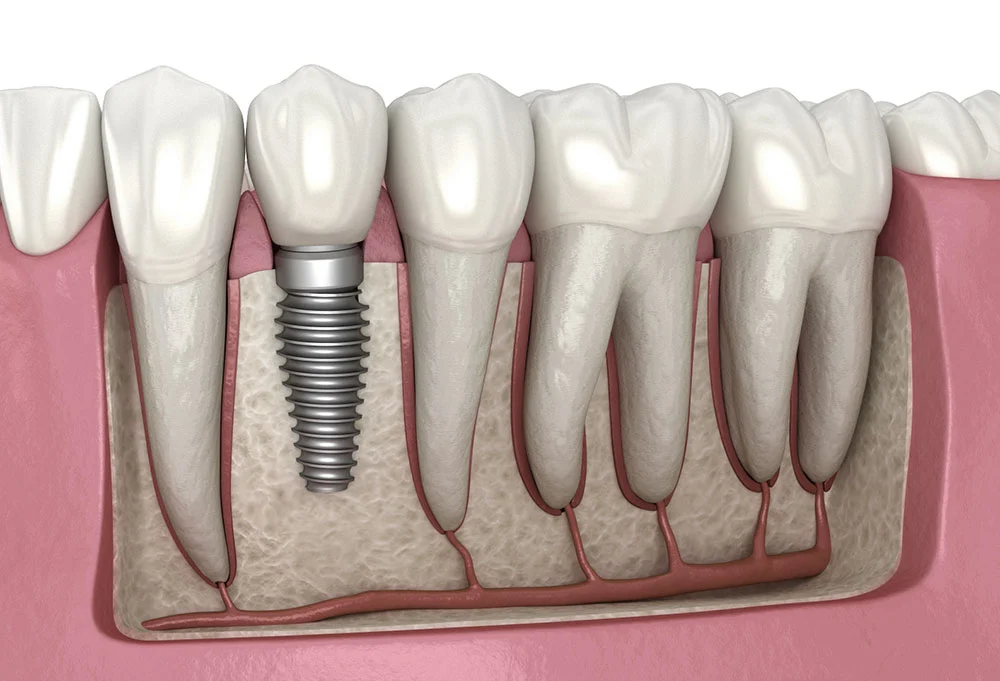
This is why implant treatment is much more than simply “putting a screw into the bone.”
The position of the implant must be planned according to the final tooth that will eventually be placed on top of it.
Internal or Patient-Related Factors
Other factors depend on the patient’s biology.
These include:
- Bone quality
- Bone quantity
- Healing capacity
- General health
- Diabetes
- Other systemic conditions
- Smoking
- Oral hygiene
- Bruxism
- Individual biological response
These internal factors often influence the decisions we make during treatment.
For example, poor bone quality may change the implant we select, the surgical technique we use, or how long we wait before loading the implant.
The patient’s biology should guide our treatment choices—not the other way around.
What Are the Biggest Risk Factors for Dental Implant Failure?
Some factors deserve particular attention.
Diabetes and Systemic Conditions
Your general health plays an important role in healing and osseointegration.
Patients with certain systemic conditions, particularly when they are poorly controlled, may have an increased risk of complications.
This does not automatically mean that someone with diabetes cannot receive dental implants.
It means that the condition needs to be properly evaluated and controlled before and during treatment.
Poor Oral Hygiene
An implant cannot develop a cavity, but the tissues around it can still become diseased.
Poor oral hygiene can lead to inflammation around the implant and eventually bone loss.
This is one of the reasons why implants require lifelong maintenance.
Bruxism
Teeth grinding can create excessive forces on both natural teeth and dental implants.
Over time, these forces may contribute to:
- Prosthetic complications
- Screw loosening
- Crown fractures
- Excessive loading of the implant
- Bone-related complications
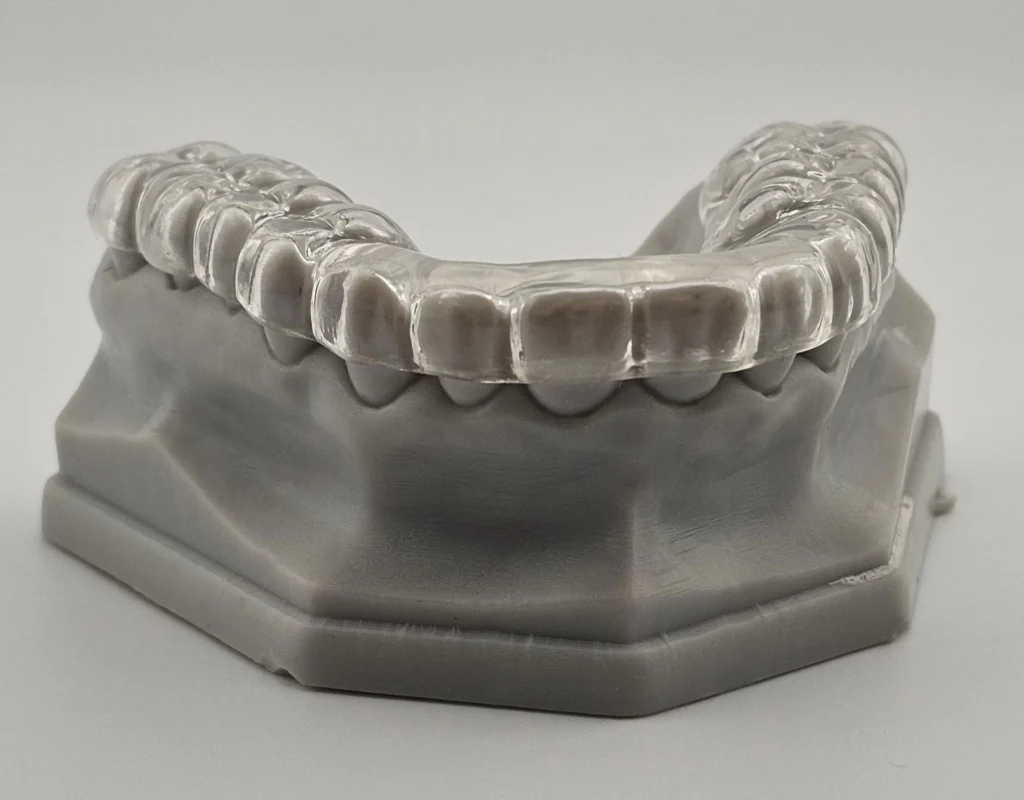
Patients with significant bruxism require careful occlusal planning and may need a night guard.
Early vs Late Dental Implant Failure
Not all implant failures happen at the same stage.
There is an important difference between early implant failure and late implant failure.
Early Implant Failure
Early failure occurs when the implant does not properly integrate with the surrounding bone.
This process is called osseointegration.
For an implant to function successfully, the bone needs to heal around it and establish a stable biological connection.
Several factors can interfere with this process, including:
- Healing problems
- Poor bone quality
- Infection
- Excessive movement during healing
- Certain systemic conditions
- Surgical factors
- Smoking
- Excessive early loading
If osseointegration does not occur properly, the implant may become mobile and need to be removed.
Late Implant Failure
Late failure is different.
In these situations, the implant initially integrated successfully and may have functioned normally for several years.
Problems develop later.
Possible causes include:
- Poor oral hygiene
- Lack of professional maintenance
- Peri-implant disease
- Progressive bone loss
- Changes in general health
- Changes in the patient’s bite
- Bruxism
- Excessive occlusal forces
- Prosthetic complications
This is why a successfully integrated implant should never be considered “finished forever.”
Long-term success requires long-term maintenance.
Can a Dental Implant Fail Years Later?
Yes.
An implant may function successfully for many years and still develop problems later.
One of the most important causes is inflammation around the implant.
Peri-Implantitis
Peri-implantitis is an inflammatory condition affecting the tissues around an implant and is associated with progressive loss of supporting bone.
Without proper diagnosis and treatment, the implant may eventually lose its stability.
Poor oral hygiene and lack of regular professional maintenance can significantly contribute to these problems.
Changes in health, occlusion, or parafunctional habits such as bruxism may also affect an implant that previously functioned normally.
This is why regular check-ups remain important even many years after implant placement.
What Are the Warning Signs of a Failing Dental Implant?
Patients should not wait until an implant becomes severely compromised before visiting their dentist.
Warning signs can include:
- Pain around the implant
- Pain when biting or chewing
- Movement of the implant crown
- Implant mobility
- Bleeding around the implant
- Swelling
- Pus or discharge
- Gum recession
- Persistent bad taste or odor
- Difficulty chewing
- Progressive bone loss visible on X-rays
Some of these signs may be caused by the prosthetic crown rather than the implant itself.
For example, a moving crown may sometimes result from a loose prosthetic screw rather than loss of implant integration.
That is why proper diagnosis is essential.
However, pain, mobility, or pain during chewing should never be ignored.
If something feels different around your implant, have it examined.
What Happens If a Dental Implant Fails?
A failed dental implant does not necessarily mean that you can never have another implant.
The first step is always to understand:
Why did the implant fail?
Simply removing the implant and repeating exactly the same treatment without identifying the cause would be a mistake.
Depending on the situation, treatment may involve:
- Removing the failed implant
- Cleaning and treating the affected area
- Allowing the tissues to heal
- Performing bone grafting if necessary
- Reassessing the patient’s risk factors
- Planning a new implant when conditions are favorable
In many cases, another implant can successfully be placed later.
However, the reason for the original failure should be identified and corrected whenever possible before repeating treatment.
Can a Failed Dental Implant Be Replaced?
Yes, in many cases.
The possibility of placing another implant depends on:
- Remaining bone
- Amount of bone loss
- Presence of infection
- Gum condition
- General health
- Reason for the original failure
- Smoking
- Oral hygiene
- Bruxism
- The overall treatment plan
Sometimes bone grafting is necessary before another implant can be placed.
In other cases, sufficient bone remains and treatment may be more straightforward.
Every failed implant should therefore be evaluated individually.
How Can You Prevent Dental Implant Failure?
There are many things both the dentist and patient can do to improve the long-term prognosis of an implant.
Maintain Excellent Oral Hygiene
I always tell my patients:
“Take care of your implant exactly as you would take care of your natural tooth.”
That means proper brushing and cleaning between the teeth and implants every day.
Attend Regular Check-Ups
An implant should continue to be monitored after treatment.
Regular examinations allow us to detect inflammation, changes in the bite, bone loss, or prosthetic complications before they become larger problems.
Have Regular Professional Cleanings
Even patients with excellent oral hygiene benefit from professional maintenance.
The tissues around implants need to remain healthy.
Control Diabetes and Other Systemic Conditions
Your oral health and general health are connected.
Properly controlling systemic conditions can help create better conditions for healing and long-term implant health.
Avoid Smoking
Smoking can negatively affect healing and the health of the tissues surrounding dental implants.
Control Bruxism
Patients who grind their teeth may require a night guard and careful monitoring of their occlusion.
Maintain a Healthy Bite
The forces placed on an implant matter.
Occlusion should be carefully planned when the implant crown or bridge is designed and should continue to be monitored over time.
How Does the Dentist Affect Implant Success?
Implant success does not depend only on the patient.
Proper diagnosis, surgical execution, and prosthetic planning are equally important.
At Smile Avenue Dental Clinic, implant planning may include:
- Comprehensive clinical examination
- 3D CBCT evaluation when indicated
- Assessment of bone quantity and quality
- Digital implant planning
- Prosthetically driven implant positioning
- Selection of appropriate implant dimensions
- Surgical guides when indicated
- Careful implant loading
- Proper emergence profile
- Appropriate prosthetic design
- Occlusal analysis
- High-quality implant components
- Collaboration with experienced dental laboratories
The goal is not simply to place an implant where bone is available.
The implant should be positioned according to where the final tooth needs to be.
This is one of the principles of prosthetically driven implant dentistry.
Are Dental Implants for Life?
Dental implants can function successfully for many years and even decades.
However, no dentist should promise that an implant will last forever.
There is also an important distinction between the implant itself and the prosthetic restoration attached to it.
The implant inside the bone may remain healthy for many years while components such as:
- The crown
- Prosthetic screw
- Abutment
- Implant-supported bridge
may require maintenance, repair, or replacement over time.
Long-term implant survival depends on many factors, including:
- Oral hygiene
- Professional maintenance
- General health
- Smoking
- Bruxism
- Occlusion
- Implant positioning
- Prosthetic design
- Quality of the original treatment
An implant is a long-term treatment, but it is not a maintenance-free treatment.
Frequently Asked Questions
How Do I Know If My Dental Implant Is Failing?
Pain, swelling, bleeding, mobility, pain when chewing, gum recession, or changes around your implant should be evaluated by your dentist.
A moving implant crown does not necessarily mean that the implant itself has failed, but it still requires examination.
Is Pain Around a Dental Implant Normal?
Some discomfort is expected immediately after implant surgery.
However, new pain developing after an implant has already healed, particularly pain when biting, should be investigated.
Can an Implant Fail After 10 Years?
Yes.
An implant can initially integrate successfully and develop complications years later due to peri-implant disease, bone loss, changes in health, bruxism, occlusal problems, or lack of maintenance.
Can a Failed Implant Be Placed Again?
Often, yes.
The failed implant may need to be removed and the area allowed to heal. Bone grafting may be necessary depending on how much bone has been lost.
Most importantly, we should understand why the first implant failed before placing another one.
Can Diabetes Cause Dental Implant Failure?
Diabetes can affect healing and implant outcomes, particularly when poorly controlled.
Having diabetes does not automatically exclude someone from implant treatment. The patient’s overall health and disease control need to be evaluated individually.
Can Teeth Grinding Damage Dental Implants?
Bruxism can expose implants and their prosthetic components to excessive forces.
Proper occlusal planning, regular monitoring, and a night guard when indicated can help manage these forces.
Do Dental Implants Need Professional Cleaning?
Yes.
Dental implants require regular professional maintenance just like natural teeth.
Can Dental Implants Get Cavities?
No. The implant itself cannot develop tooth decay.
However, the gums and bone surrounding it can develop inflammatory disease, which can threaten the implant if left untreated.
Should Fear of Implant Failure Stop You From Getting an Implant?
No.
If a patient tells me:
“I’m afraid my implant might fail. Maybe I shouldn’t get one.”
My answer is:
Don’t be afraid of the implant. Be careful about who places it, how it is planned, and how you maintain it afterward.
Dental implants have a very high success rate when properly indicated, planned, placed, restored, and maintained.
We also have to consider what happens when a missing tooth is not replaced.
Depending on the situation, neighboring teeth may gradually shift, the opposing tooth may move toward the empty space, and an already incomplete bite may become less stable and less comfortable.
Over time, this can sometimes make rehabilitation more complicated.
So instead of simply asking:
“Can a dental implant fail?”
Ask:
“What can we do to make my implant treatment as predictable as possible?”
That starts with proper diagnosis and planning.
It continues with correct surgical technique, implant positioning, prosthetic design, and occlusion.
And after treatment, the patient plays an equally important role through excellent oral hygiene and regular maintenance.
Final Thoughts
Yes, dental implants can fail.
They can fail early because proper osseointegration never occurs, or they can develop complications years after successful treatment.
But that should not make patients afraid of implant dentistry.
Dental implants remain a highly predictable treatment for replacing missing teeth when they are properly indicated and carefully planned.
At Smile Avenue Dental Clinic, we approach implant dentistry from both a surgical and prosthetic perspective.
We evaluate the patient’s health, bone, bite, final restoration, implant position, and long-term maintenance before making treatment decisions.
A successful implant is not simply an implant that integrates with the bone.
It is an implant that remains healthy, functional, comfortable, and maintainable for many years.