If you’re considering improving your smile, one of the most common questions is:
What’s the difference between composite bonding and veneers?
Both treatments can significantly enhance your smile, but they are designed for different levels of change.
At Smile Avenue Dental Clinic in Beirut, the decision is not based on trends, it’s based on your goals, your teeth, and the level of transformation you want.
Quick Answer
- Composite bonding is ideal for minor corrections such as closing small gaps or adjusting tooth shape
- Veneers (Emax) are best for full smile transformations, including color, shape, and alignment
👉 The more changes needed, the more veneers become the right option
Composite bonding involves adding a tooth-colored material to improve the appearance of your teeth.
It is a conservative treatment, often done without removing tooth structure.
We typically recommend bonding when:
- Teeth are already in good condition
- Only small modifications are needed
- The goal is to enhance, not transform
Clinical Example
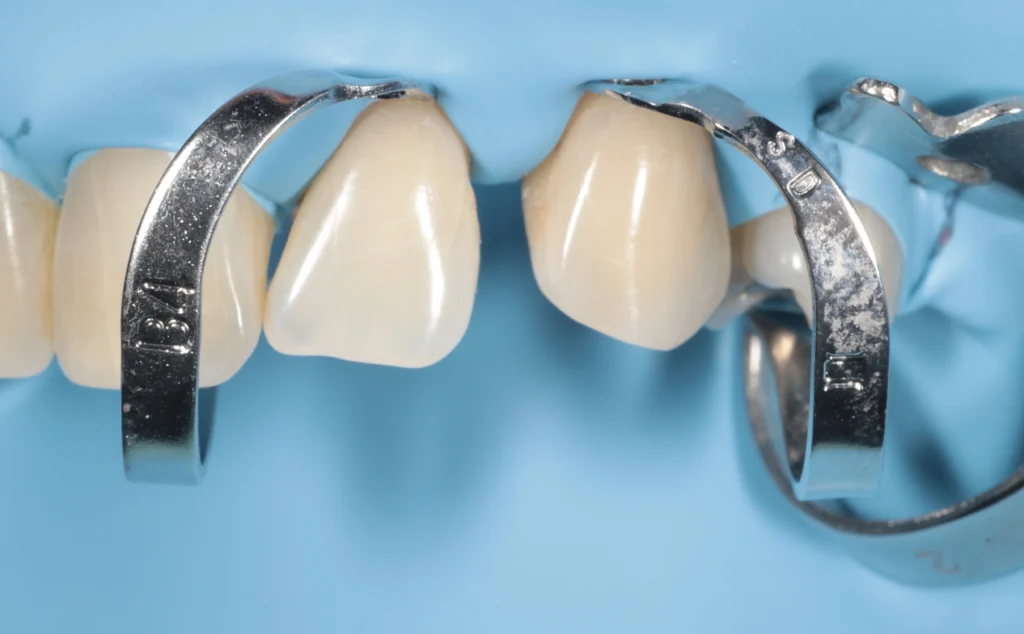
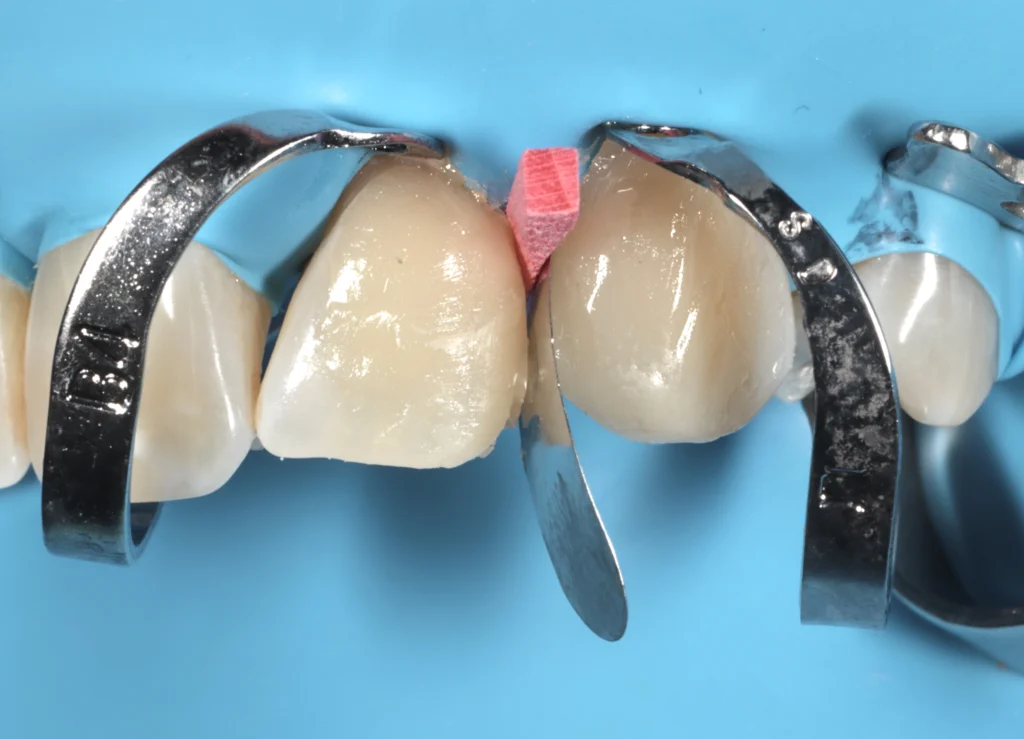
A young patient came after orthodontic treatment with small gaps between her teeth.
Instead of preparing the teeth for veneers:
- We added composite only
- Closed the gaps in one session
- Preserved the natural teeth completely
The result was immediate, and the patient was extremely satisfied with the outcome.
Veneers are thin ceramic restorations bonded to the front surface of the teeth.
They allow us to completely redesign the smile with a high level of precision.
We recommend veneers when we need to change:
- Tooth color permanently
- Tooth shape and proportions
- The appearance of alignment
- Overall smile balance and harmony
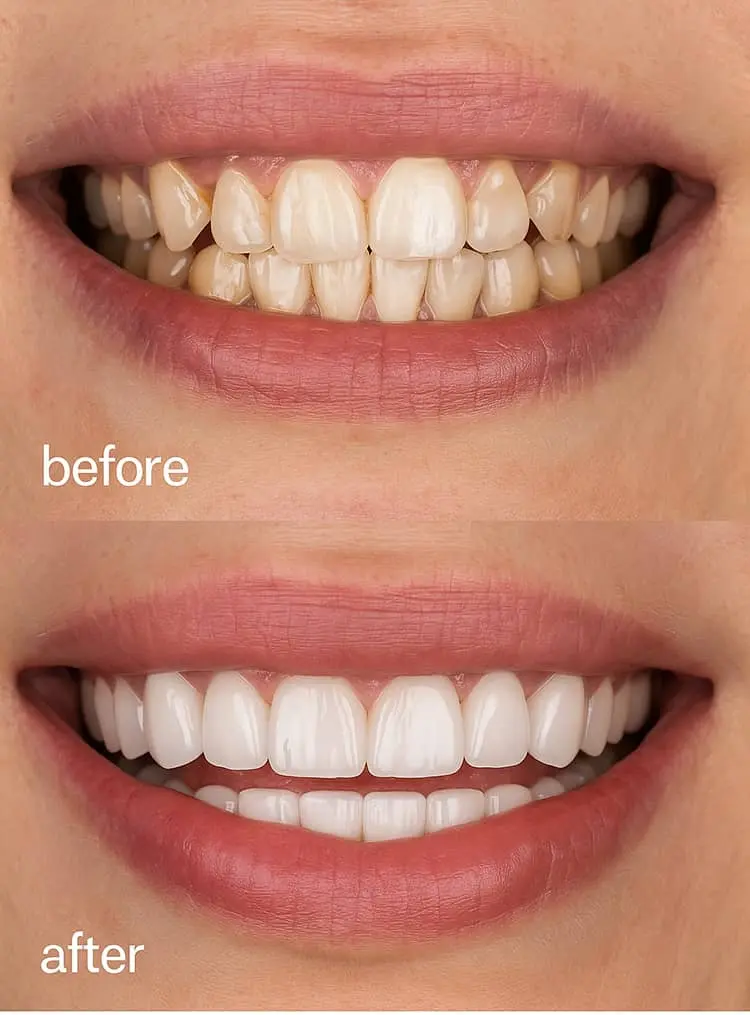
Clinical Example
A young female patient presented with:
- Square-shaped teeth
- Yellowish color
- Desire for a long-term aesthetic improvement
Composite bonding would not achieve the desired result.
We performed:
- 8 upper Emax veneers
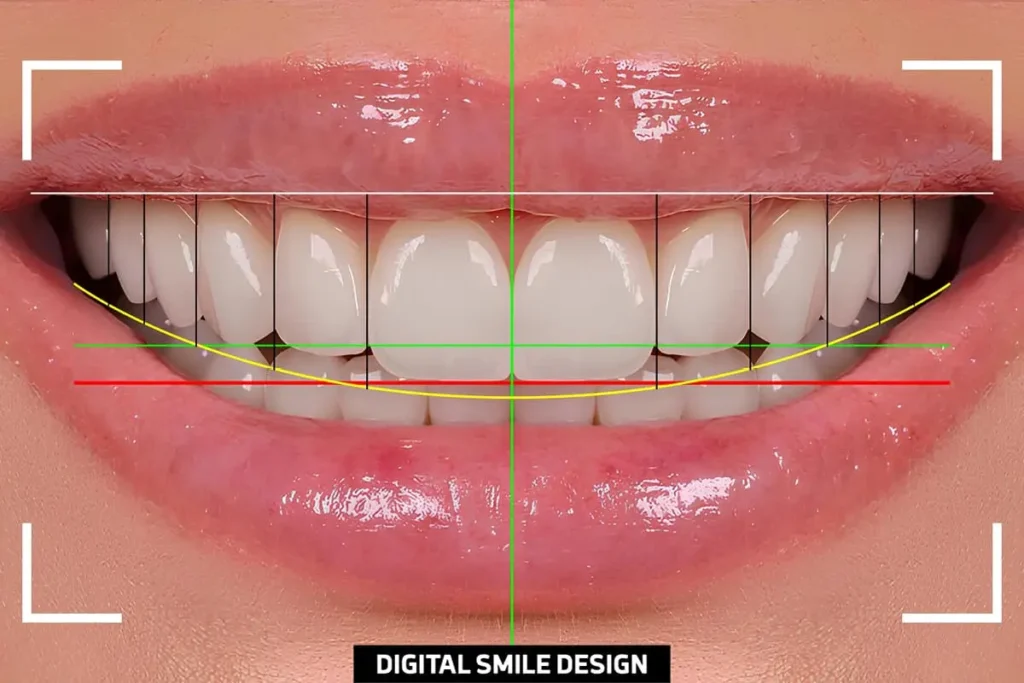
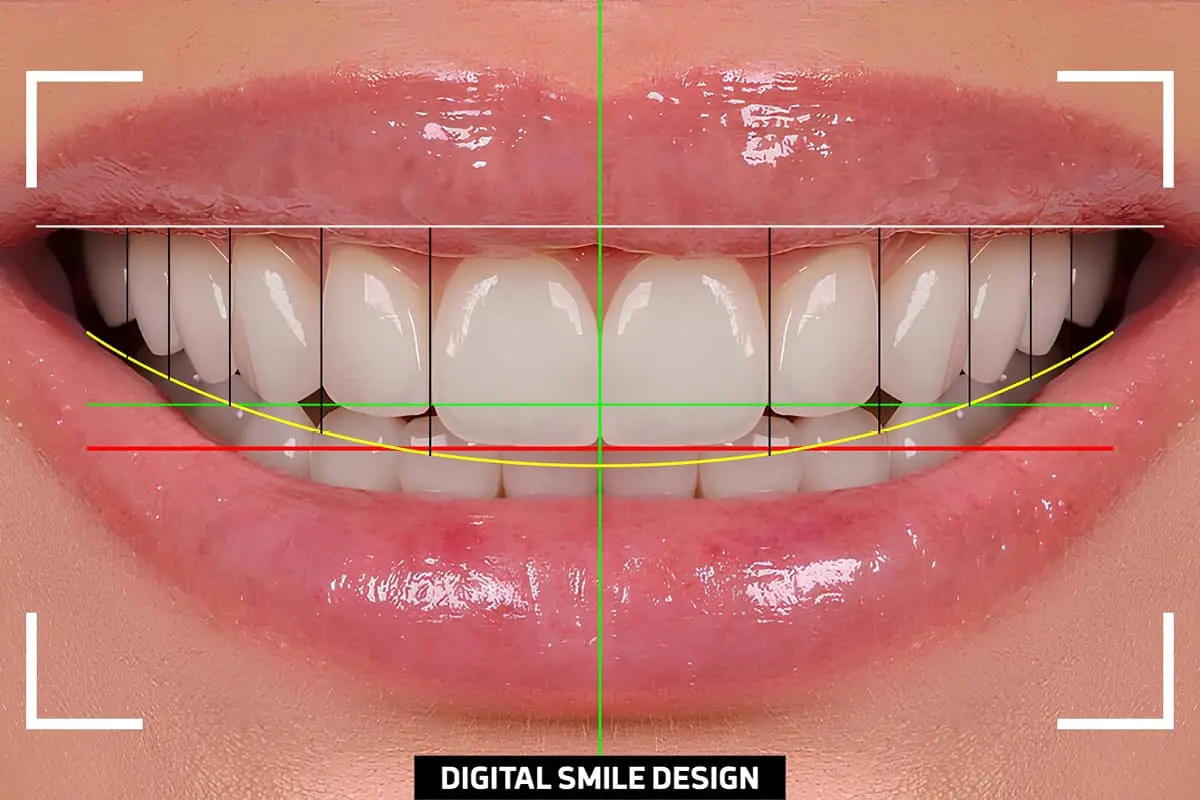
- Full digital smile design planning
The outcome was a complete transformation, and the patient left with renewed confidence in her smile.
The Real Clinical Difference
In practice, the decision is simple:
- Composite bonding is used for refinement
- Veneers are used for transformation
This distinction is essential to avoid under-treating or over-treating a case.
Longevity and Durability
Based on clinical experience:
- Composite bonding: typically lasts 7 to 10 years, sometimes longer with proper care
- Emax veneers: can last 10 to 20 years when correctly planned and executed
Longevity depends on:
- Bite (occlusion)
- Oral hygiene
- Habits (grinding, biting hard objects)
- Quality of execution
Proper planning is critical to avoid complications.
Common Misconceptions
“Composite veneers are the same as ceramic veneers”
They are not equivalent.
Composite can be used for full cases, but for long-term stability and hygiene, ceramic veneers are often the better option.
“Veneers damage teeth”
This is incorrect.
At our clinic:
- We remove approximately 0.5 mm from the front surface only
- This is a conservative and controlled preparation
When properly done, veneers preserve tooth structure and improve aesthetics safely.
When Do These Treatments Fail?
Failures are usually not due to the material itself, but to planning or execution.
- Composite bonding may fail if:
- The bite is not properly managed
- Veneers may fail if:
- There is excessive force or poor occlusal planning
This is why careful diagnosis and design are essential before treatment.
Our Approach at Smile Avenue Beirut
At Smile Avenue, we focus on precision and natural results.
Our workflow includes:
- Professional DSLR photography for analysis and shade selection
- Digital Smile Design based on facial features
- Intraoral scanning for accuracy
- Rubber dam isolation for composite bonding
- Advanced layering and polishing techniques
- Collaboration with high-quality dental laboratories
This approach allows us to deliver results that are both aesthetic and long-lasting.
Who Is a Good Candidate for Composite Bonding?
Composite bonding is ideal if:
- Your teeth are already well positioned
- You want minor improvements
- You prefer a conservative solution
- You want results in a single session
Who Should Choose Veneers?
Veneers are recommended if:
- You want a complete smile transformation
- You want to change color, shape, and alignment
- You are looking for a long-term solution
- You feel uncomfortable smiling because of your teeth
Patients seeking a significant change typically benefit more from veneers.
How to Choose Between Bonding and Veneers
The decision comes down to one key question:
Do you want a small improvement or a full transformation?
At Smile Avenue, we guide you through this process using:
- Clinical evaluation
- Digital planning
- Clear and honest recommendations
Frequently Asked Questions (FAQ)
Is composite bonding better than veneers?
Neither is better in all cases. Composite bonding is better for minor corrections, while veneers are more suitable for complete smile transformations.
Do veneers look more natural than bonding?
Both can look natural when done properly. However, veneers offer more control over shape, color, and texture, especially in full smile cases.
How long does composite bonding last?
Composite bonding typically lasts 7 to 10 years, depending on oral hygiene, bite, and habits.
How long do veneers last?
Emax veneers can last 10 to 20 years when properly planned and maintained.
Do veneers damage natural teeth?
No. Veneers require minimal preparation (around 0.5 mm) and are considered a conservative treatment when done correctly.
Can I start with bonding and later switch to veneers?
Yes, in many cases this is possible. Bonding can be a conservative first step before moving to veneers later.
Which option is more affordable?
Composite bonding is generally more affordable. Veneers are a higher investment but offer more extensive and long-term results.
Is the treatment painful?
Both procedures are generally comfortable. Bonding usually requires no anesthesia, while veneers may involve minimal preparation under controlled conditions.
Book a Consultation in Beirut
If you are considering improving your smile, the best step is a personalized consultation.
At Smile Avenue Dental Clinic in Beirut, we help you:
- Understand your options clearly
- Choose the right treatment
- Achieve a natural, confident smile
Visit: smileavenuebeirut.com
Contact us to schedule your appointment