
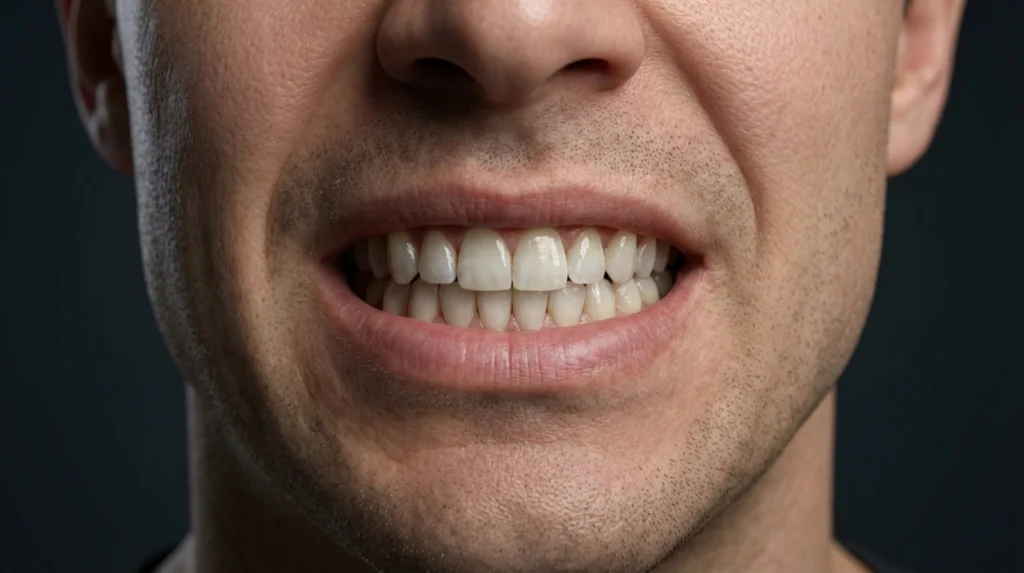
Why Teeth Grinding Is More Serious Than You Think
Most people don’t realize they grind their teeth… until the damage is already done.
Teeth grinding at night—also known as bruxism—is a common condition that can silently wear down your teeth, cause chronic pain, and lead to long-term dental complications if left untreated.
At Smile Avenue Dental Clinic in Beirut, we regularly see patients who had no idea they were grinding—until symptoms like sensitivity, jaw pain, or tooth fractures started appearing.
The good news? Bruxism can be managed—and in many cases, controlled—once you understand its root causes.
What Causes Teeth Grinding at Night? (Based on Clinical Experience)
Bruxism is rarely caused by a single factor. In real clinical settings, it is usually a combination of:
1. Stress and Anxiety (Most Common Cause)
Even patients who don’t feel “stressed” often show clear signs of grinding. In Lebanon especially, daily life pressure can manifest subconsciously during sleep.
2. Sleep Disorders
Disturbed sleep patterns can significantly increase grinding activity.
3. Lifestyle Habits
- High caffeine intake
- Smoking
- Lack of physical activity
These factors increase muscle tension and nervous system activity, making grinding more likely.
4. Dental Triggers
High restorations or bite imbalances can sometimes trigger or worsen bruxism until corrected.
Early Signs You Might Be Grinding Your Teeth
Most patients don’t notice grinding directly. Instead, they report:
- Tooth sensitivity
- Worn or cracked teeth
- Jaw or muscle pain
- TMJ discomfort
- Morning headaches
- Neck pain
- A partner hearing grinding sounds during sleep
If you recognize even a few of these symptoms, it’s worth getting evaluated early.
What Dentists Look for: Clinical Signs of Bruxism
During examination, dentists can often detect bruxism even before patients are aware of it.
Common clinical findings include:
- Wear facets on molars
- Flattened canines and anterior teeth
- Abfraction lesions (especially near the gumline)
- Masseter muscle hypertrophy (enlarged jaw muscles)
These signs indicate ongoing mechanical stress on your teeth and jaw.
How to Stop Teeth Grinding at Night: A Step-by-Step Approach
At Smile Avenue, treatment is not one-size-fits-all. We follow a structured approach:
1. Diagnosis and Lifestyle Assessment
We begin with a detailed consultation, evaluating:
- Daily habits
- Stress levels
- Sleep quality
- Medical and dental history
2. Identifying the Type of Bruxism
We determine whether it’s:
- Muscle-related
- Joint-related (TMJ)
This distinction is essential for proper treatment.
3. Personalized Treatment Plan
Each patient receives a tailored plan based on the cause—not just the symptoms.
4. Long-Term Follow-Up
Bruxism management requires monitoring and adjustment over time to ensure stability and prevent relapse.
Effective Treatments for Teeth Grinding
Treatment depends on severity and cause. In most cases, we combine several approaches:
Lifestyle Modifications (First Line of Treatment)
- Reduce caffeine intake
- Improve sleep habits
- Engage in regular physical activity
- Manage daily stress
Nutritional Support
Magnesium glycinate supplements can help reduce muscle tension and improve relaxation.
Behavioral Strategies
Simple awareness techniques and habit control can significantly reduce grinding intensity.
Physiotherapy
For patients with muscle pain or dysfunction, physiotherapy can relieve tension and restore balance.
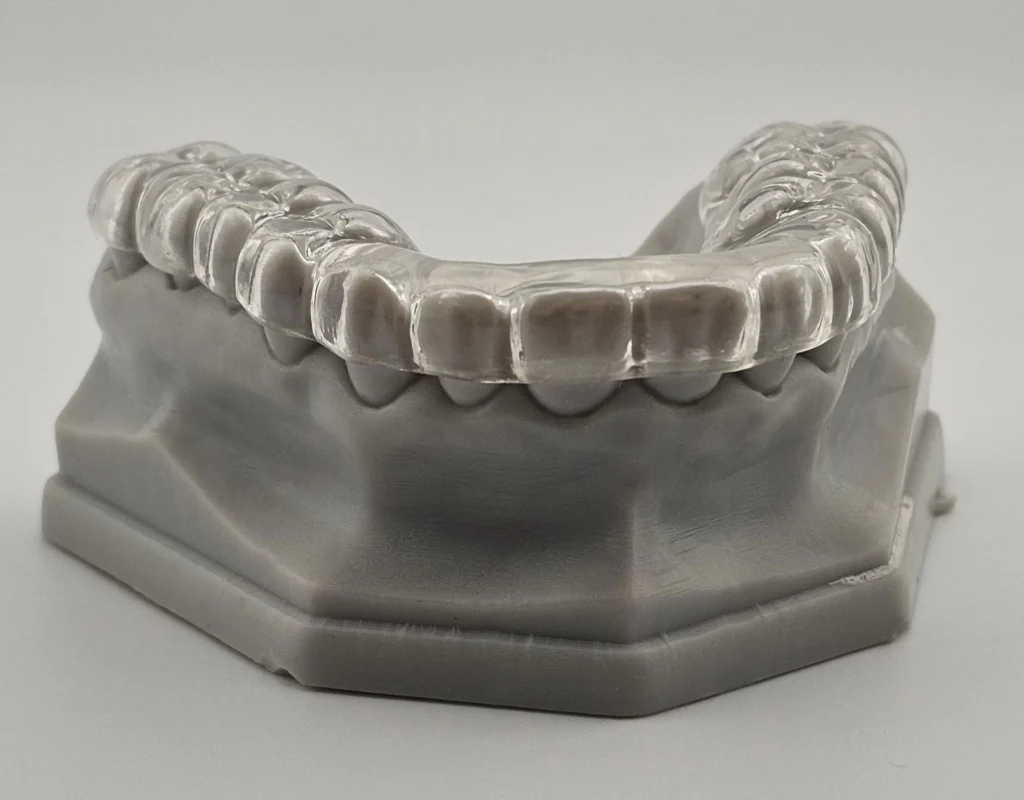
Night Guards (Splints)
Custom-made splints:
- Protect teeth from wear
- Stabilize the bite
- Reduce muscle activity
Botox (Last Resort)
Used only in severe cases when other methods fail, to reduce muscle overactivity.
Real Clinical Insight: A Case We Commonly See
A young patient came to our clinic with no major complaints—he didn’t feel stressed and wasn’t aware of any issue.
However, during examination, we noticed:
- Significant wear facets on molars
- Flattened incisal edges
- Worn canine tips
He was clearly grinding his teeth—but had no idea.
After showing him the clinical evidence, he became aware of the problem. We started monitoring and guiding him with lifestyle adjustments and follow-up care.
This is very common: bruxism often goes unnoticed until visible damage appears.
When Bruxism Becomes Serious
Not all cases can be managed with simple solutions.
You may need advanced treatment if you have:
- Severe tooth wear
- Loss of stable occlusion
- TMJ disorders
- Repeated fractures or failed restorations
In these cases, patients may require:
- Full-mouth rehabilitation
- Advanced splint therapy
- Restorative correction
Ignoring these situations can lead to progressive and irreversible damage.
Common Mistakes Patients Make
1. Ignoring the Problem
Many patients underestimate bruxism because the damage happens gradually.
2. Using Over-the-Counter Night Guards
Generic guards:
- Do not respect your bite
- Can worsen jaw issues
- May lead to TMJ complications
Proper diagnosis and customization are essential.
What Actually Works: Practical Tips to Reduce Grinding
From real patient outcomes, these strategies make a difference:
- Take magnesium glycinate supplements
- Reduce coffee consumption, especially in the evening
- Stay physically active (sports help regulate stress)
- Improve sleep routines
- Learn to mentally disconnect from daily stress before sleep
These may seem simple—but when applied consistently, they significantly reduce grinding intensity.
Who Is NOT a Candidate for Simple Solutions?
Lifestyle changes alone are not enough if:
- Teeth are already severely worn
- Bite stability is compromised
- TMJ disorders are present
These patients require structured, professional treatment to prevent further damage.
FAQs About Teeth Grinding at Night
Can teeth grinding go away on its own?
Sometimes mild cases improve with lifestyle changes, but most require monitoring and guidance.
Is teeth grinding dangerous?
Yes. It can lead to tooth fractures, gum recession, TMJ disorders, and long-term functional problems.
Do night guards stop grinding?
They don’t stop the habit—but they protect your teeth and reduce damage.
Is stress the main cause?
In most cases, yes—but it’s usually combined with other factors like lifestyle and sleep quality.
Dentist Insight: Treat the Cause, Not Just the Symptoms
At Smile Avenue Dental Clinic, our approach is different.
We don’t just protect your teeth—we focus on identifying the root cause of your bruxism.
Once we control the cause, we treat the damage in a stable and long-lasting way.
This is what ensures real, sustainable results—not temporary fixes.
Take the First Step Toward Protecting Your Smile
If you’re experiencing symptoms of teeth grinding—or even suspect it—it’s important to act early.
At Smile Avenue Dental Clinic in Beirut, we provide:
- Comprehensive diagnosis
- Personalized treatment plans
- Advanced care for both mild and severe cases
👉 Book your consultation today and protect your teeth before permanent damage occurs.
🌐 https://smileavenuebeirut.com
Your smile is worth protecting—and the earlier you act, the easier it is.